
Journal archive
All reviews
New models, interesting movements, details and character.
Tag cloud
Brands, models and subjects. The number is the article count; larger tags appear more often.
All remaining tags 29
Selected tag: Automatic winding
Found: 28 articles
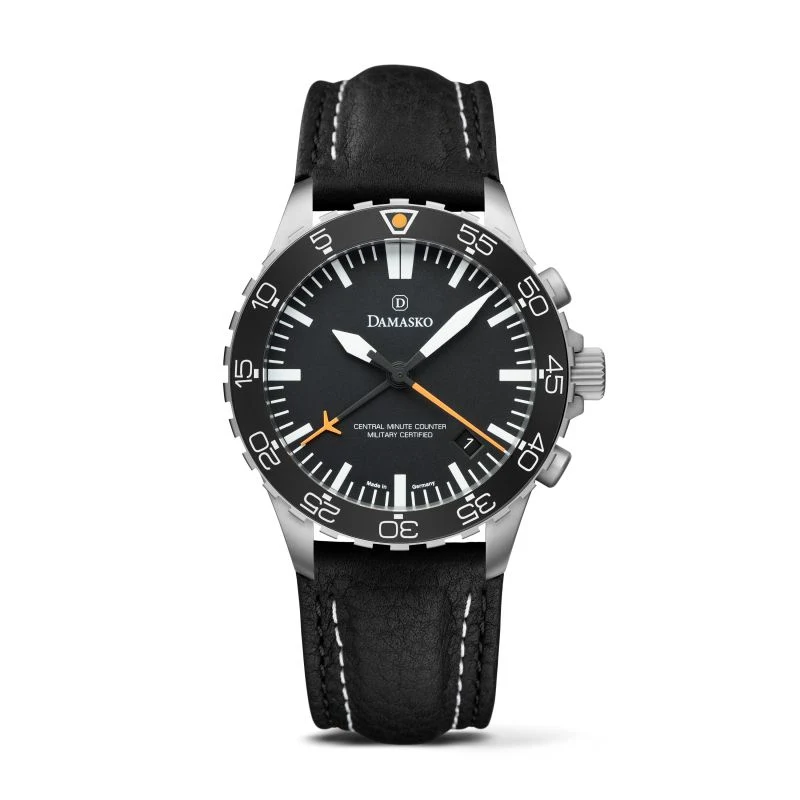
DAMASKO · Automatic winding · Calibre analyses
DAMASKO DC82/2: when minutes get the whole dial
Instead of a small 30-minute counter, a central hand makes one full turn in 60 minutes. The advantage already shows up at minute 34.
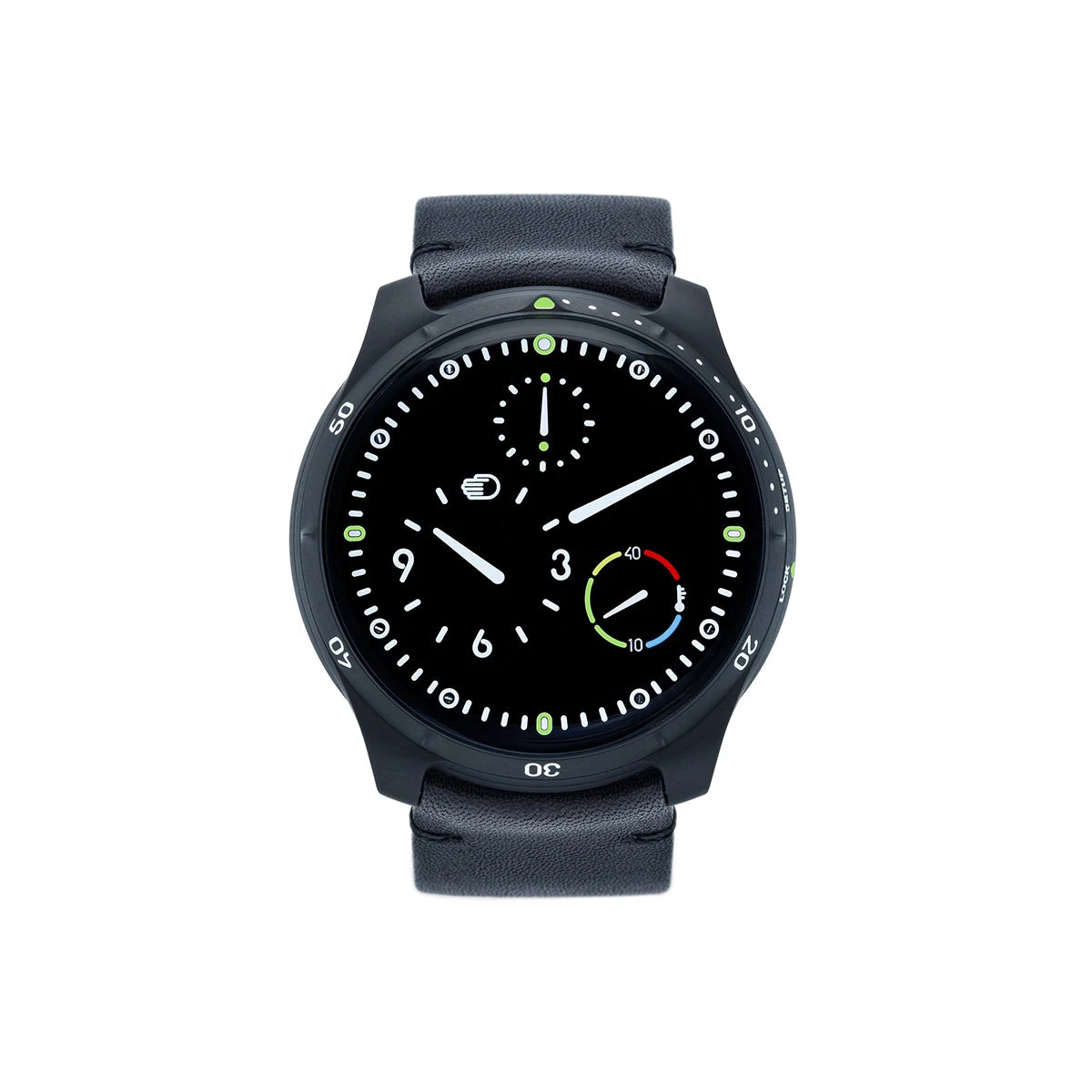
Ressence · Automatic winding · Calibre analyses
Ressence TYPE 5: oil in front of your eyes, not throughout the movement
TYPE 5 divides its case into two sealed chambers. Oil fills the upper one to aid underwater legibility; an automatic 2824/2 base works with the ROCS 5 orbital module.
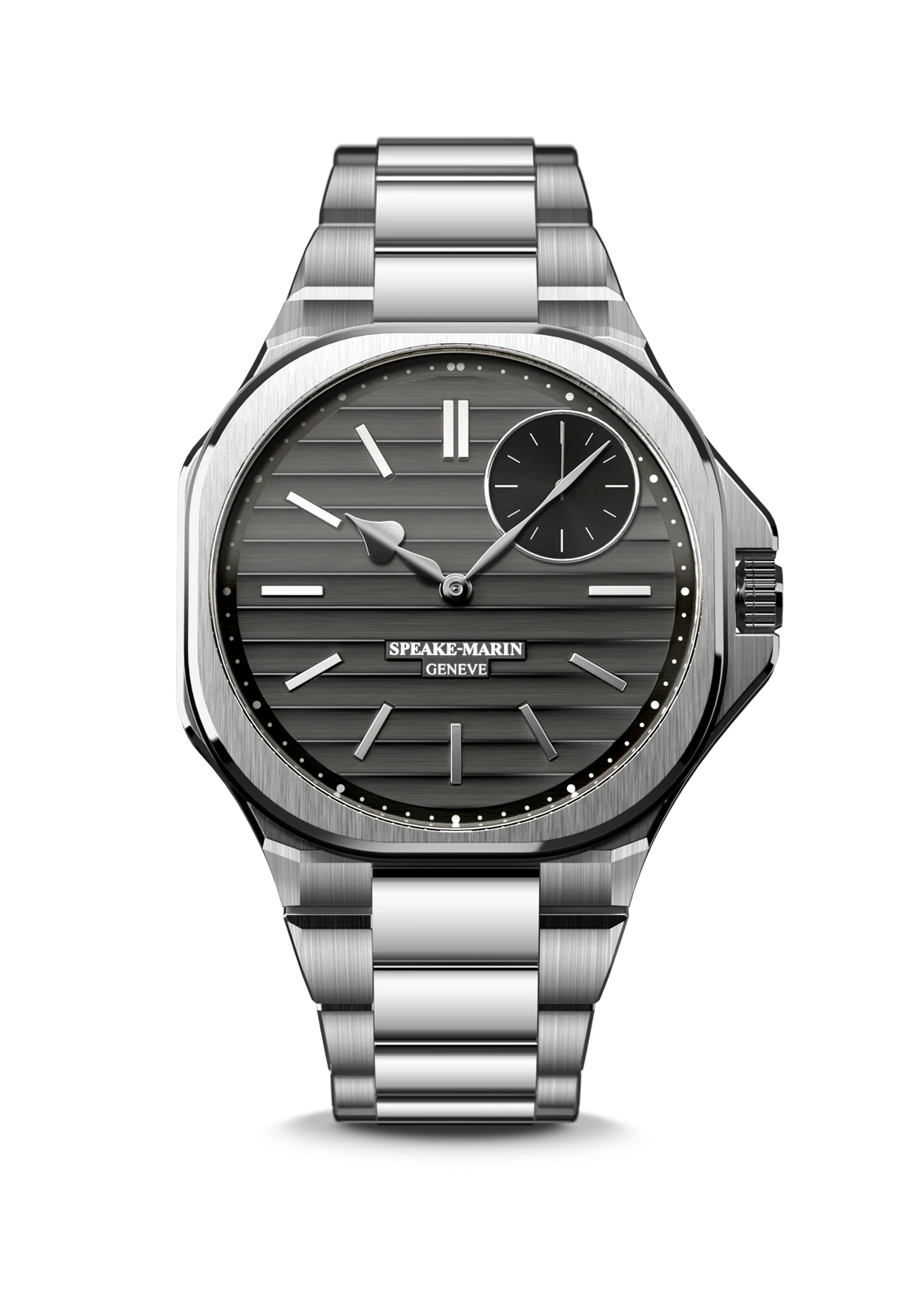
Speake Marin · Automatic winding · Calibre analyses
Speake Marin Ripples: why the seconds sit at half past one
The small seconds at 1:30 disrupt the familiar symmetry of the Ripples Black Original. We examine how the micro-rotor SMA03-T combines everyday automatic winding with finishing worth a closer look.
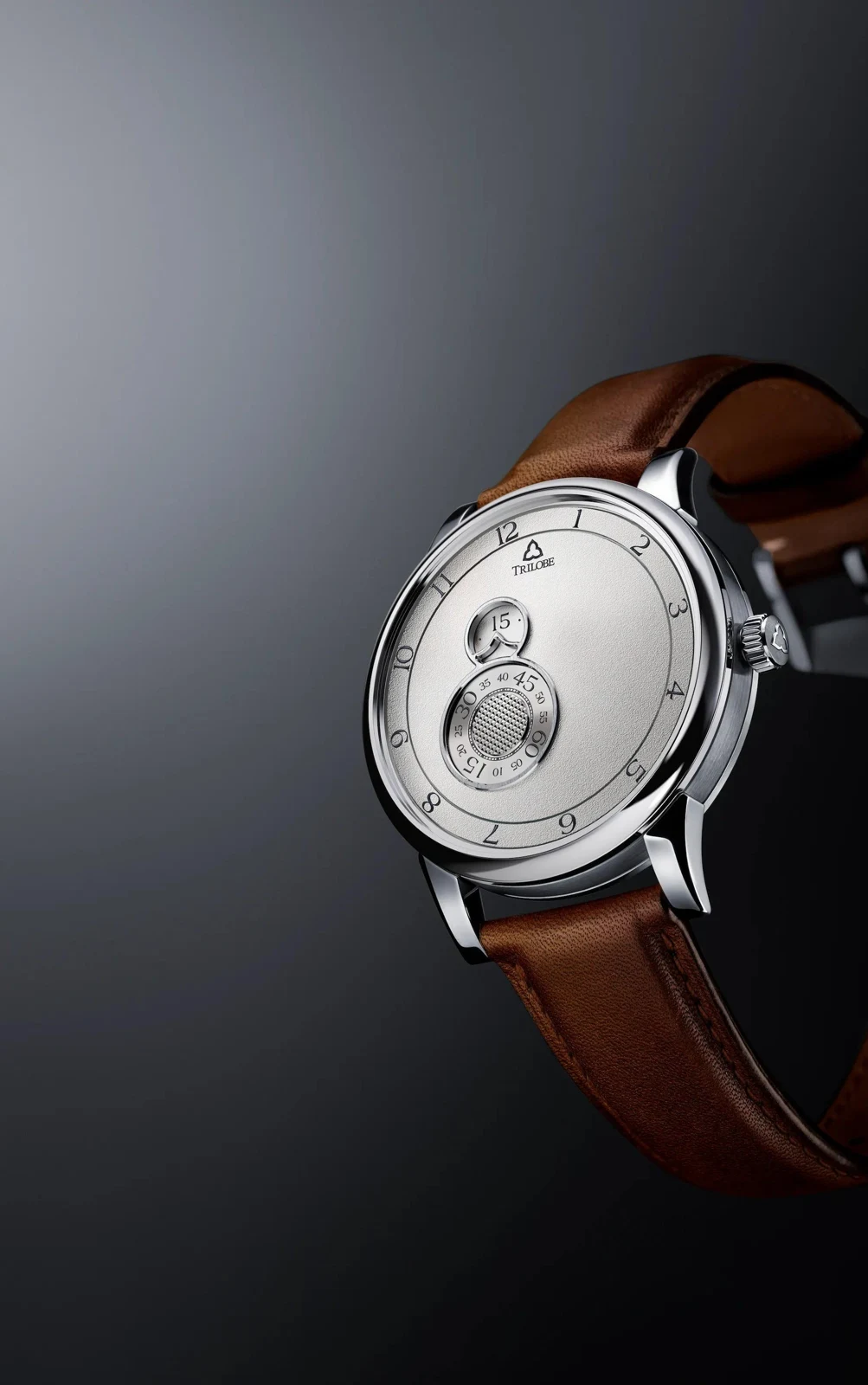
Trilobe · Automatic winding · Calibre analyses
Trilobe X-Centric: reading the time without hands
In Nuit Fantastique, three rings move while indicators stay still. We explore the display and X-Centric micro-rotor.
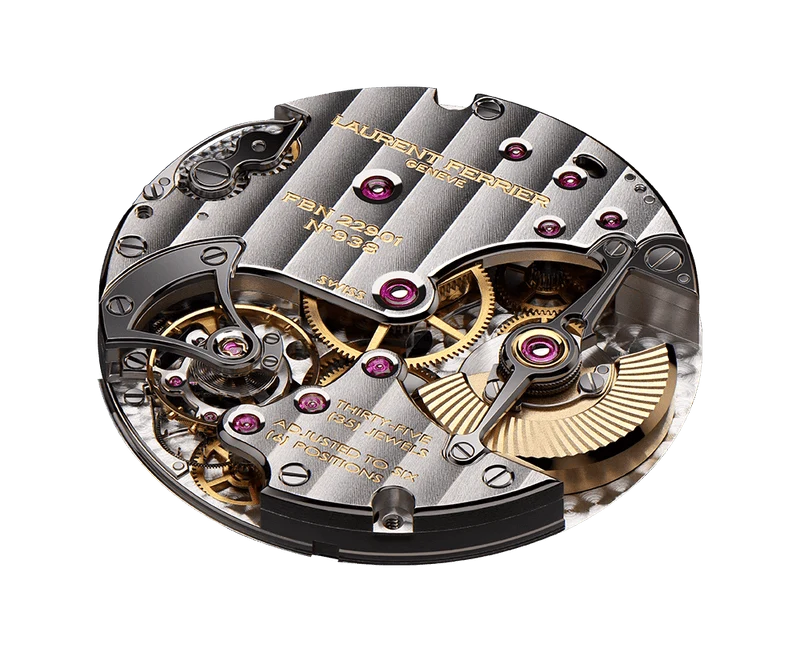
Laurent Ferrier · Automatic winding · Calibre analyses
Laurent Ferrier FBN229.01: a small rotor and two impulses
The FBN229.01 pairs a compact rotor with an unusual escapement. Here is why automatic winding and energy delivery to the balance are conceived as one system.
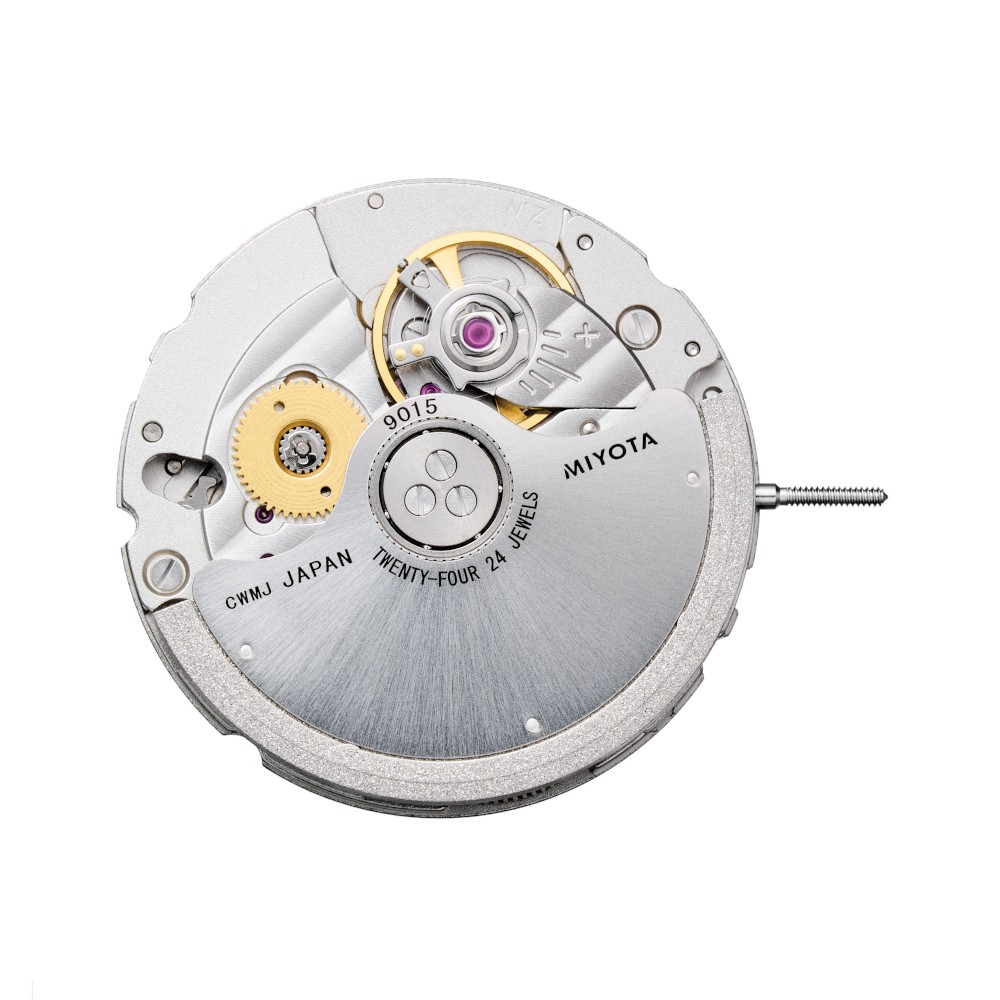
MIYOTA · Automatic winding · Calibre analyses
MIYOTA 9015: what a Japanese automatic actually offers
A 3.90 mm profile, 4 Hz frequency and roughly 42 hours of power: we explain the MIYOTA 9015 through everyday ownership. We also distinguish Citizen’s 1959 factory in Miyota from the MIYOTA brand’s launch in 1980.
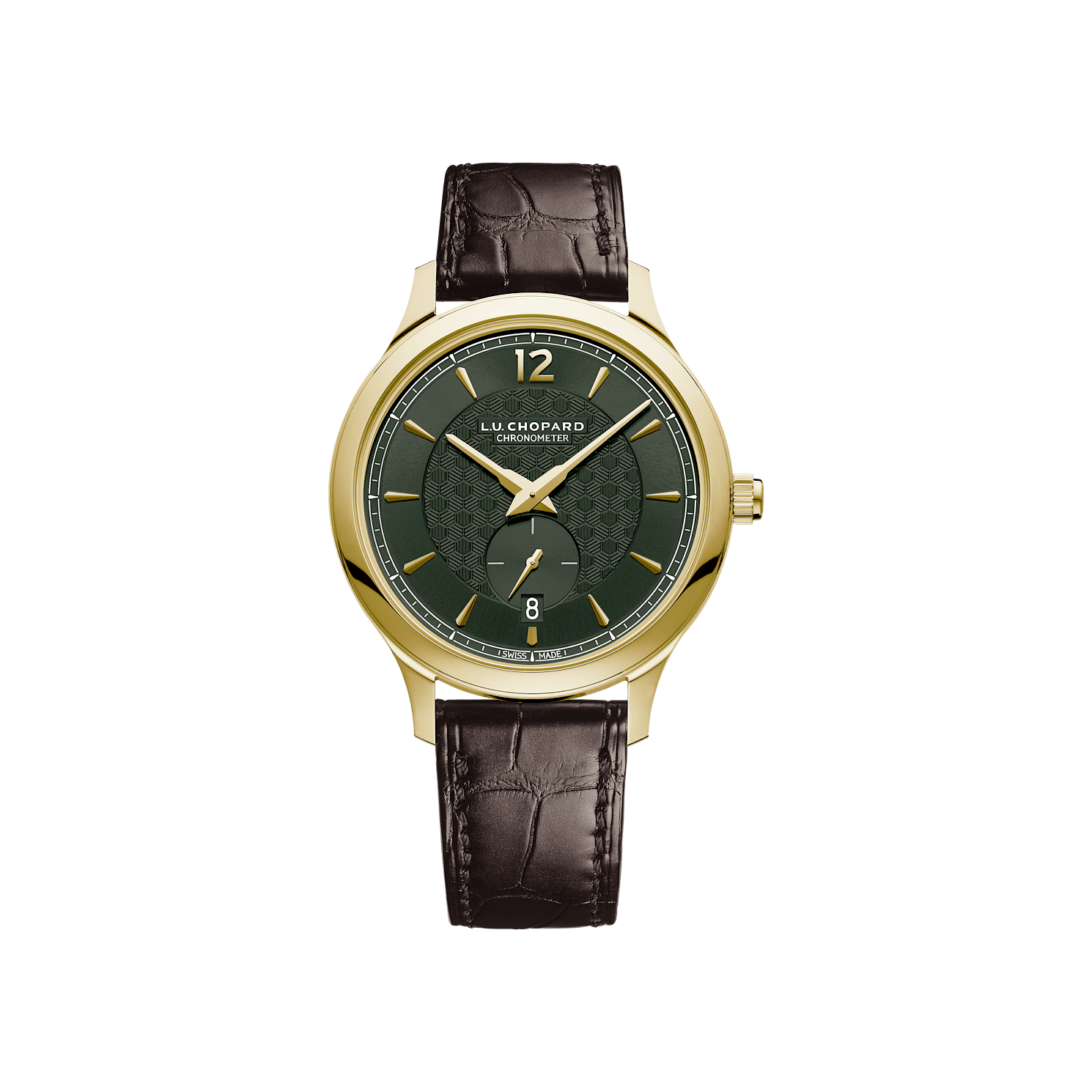
Chopard · Automatic winding · Calibre analyses
Chopard L.U.C 96.01-L: the micro-rotor behind a new manufacture
Chopard’s story began in 1860; Chopard Manufacture followed in 1996. Between those dates lies the path to the proprietary L.U.C 96.01-L, a slim automatic with a gold micro-rotor and two barrels.
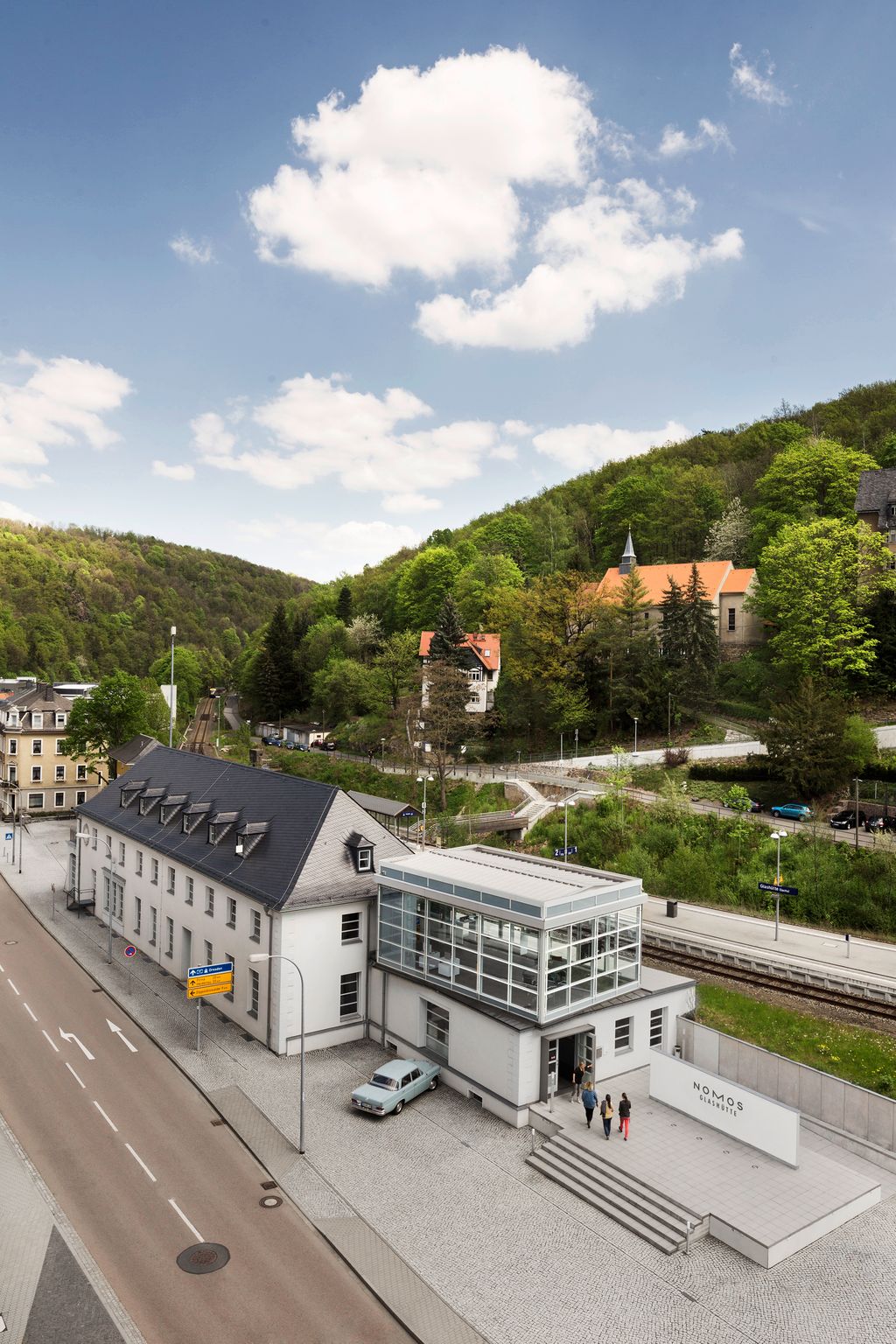
NOMOS Glashütte · Automatic winding · Calibre analyses
How NOMOS began: from 1990 to a movement’s own beating heart
NOMOS was founded in 1990 in a town with a much older watchmaking tradition. We follow three milestones: the company’s creation, its proprietary escapement system in 2014 and the slim DUW 3001 automatic introduced in 2015.
F.P.Journe · Automatic winding · Calibre analyses
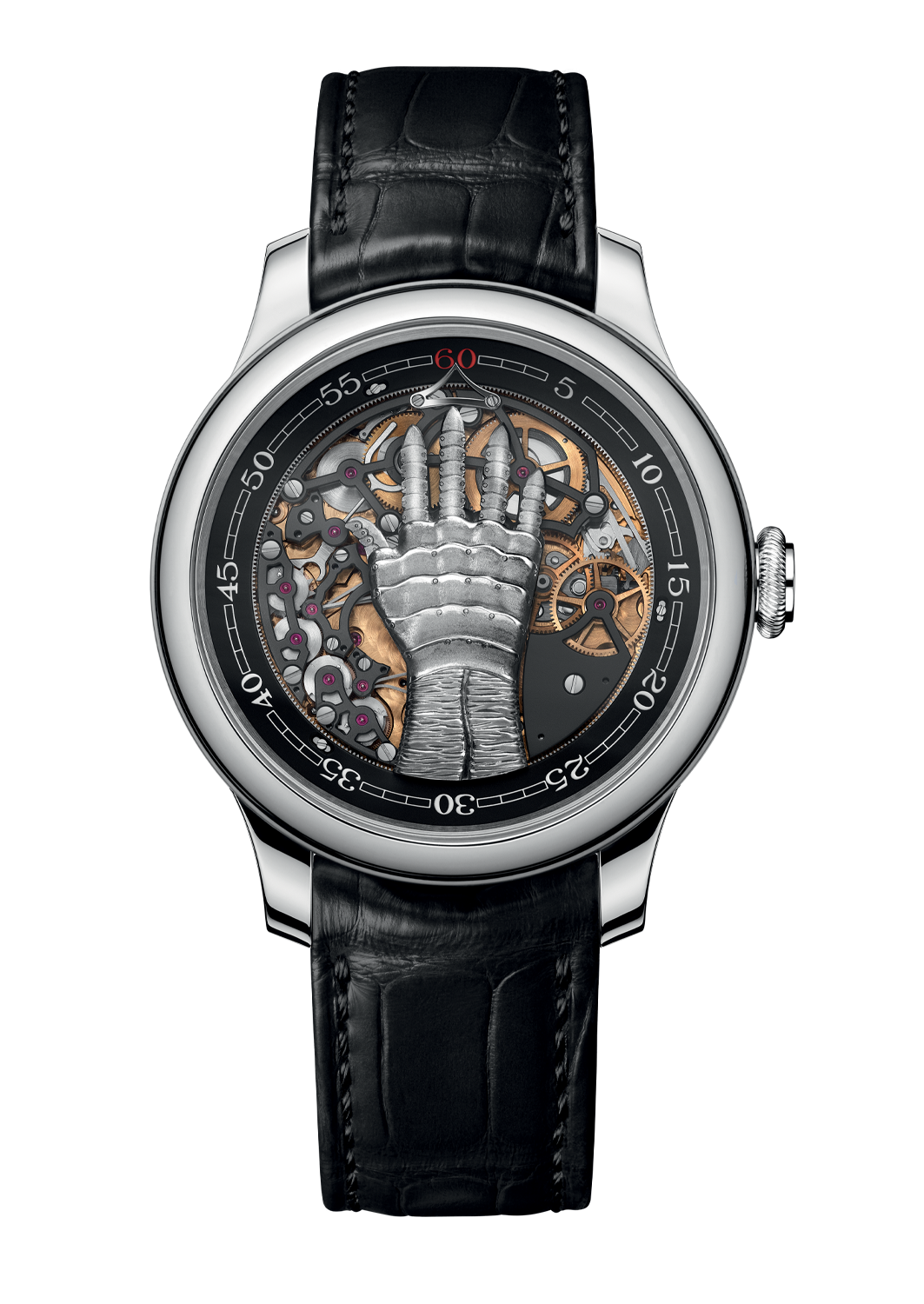
F.P.Journe FFC: why a mechanical hand needs to store energy
A titanium hand shows twelve hours with five fingers. In the FFC, the Octa 1300.3 calibre stores energy for each new gesture through a dedicated remontoire, while a rotating ring displays the minutes.

Parmigiani Fleurier · Automatic winding · Calibre analyses
Parmigiani PF052: a minute hand that waits for you
In the PF052, an extra minute hand jumps ahead by one or five minutes and waits for the regular hand. We explore the Tonda PF Minute Rattrapante: 48 hours of power reserve, a micro-rotor and a quiet way to set yourself a short deadline.

Louis Moinet · Automatic winding · Calibre analyses
Louis Moinet LM96: bringing the chronograph to the front
In Time to Race, the stopwatch mechanism sits in plain sight: 147 chronograph components work above the automatic LM96 base. Green Racing combines a 40.7 mm titanium case, domed sapphire and a personal number on the time display.

DeWitt · Automatic winding · Calibre analyses
DeWitt Endless Drive: why the power reserve needs its own screw
The automatic DW1653 turns power reserve into the main spectacle: a screw rotates as energy is consumed and shifts during winding. We examine this 2018 model’s mechanics, disc display and the practical meaning of its 59-hour autonomy.
Hermès · Automatic winding · Calibre analyses
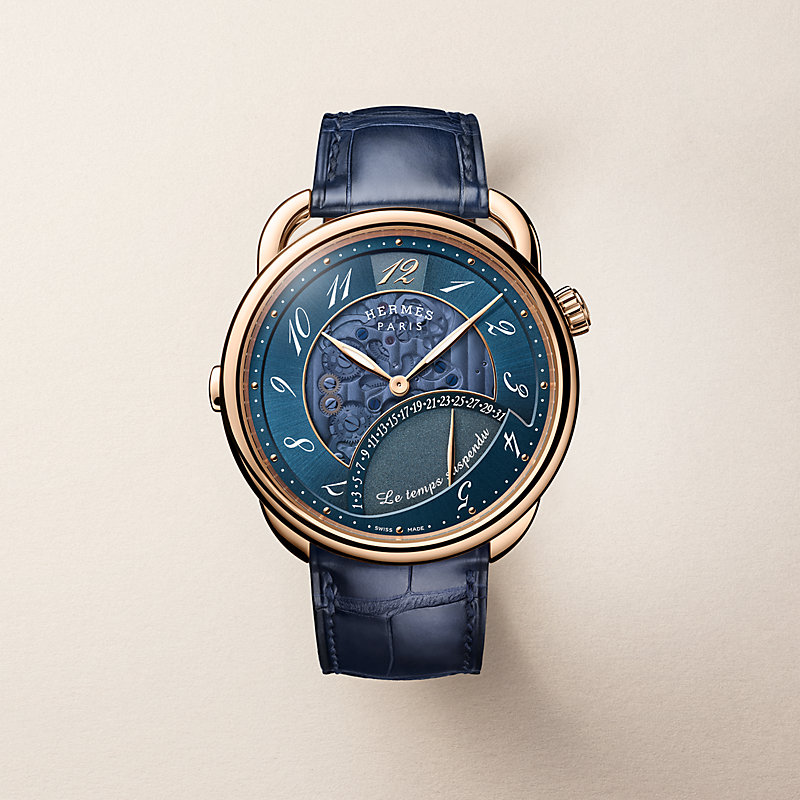
Hermès Arceau Le Temps Suspendu: stopping the display, keeping the time
Reference W408083WW00 combines a 42 mm rose gold case, the automatic H1837 and a module that hides the time at the press of a button. We explain why stopping the display does not stop the movement, and what practical limitations remain behind the appealing idea.
Moritz Grossmann · Automatic winding · Calibre analyses
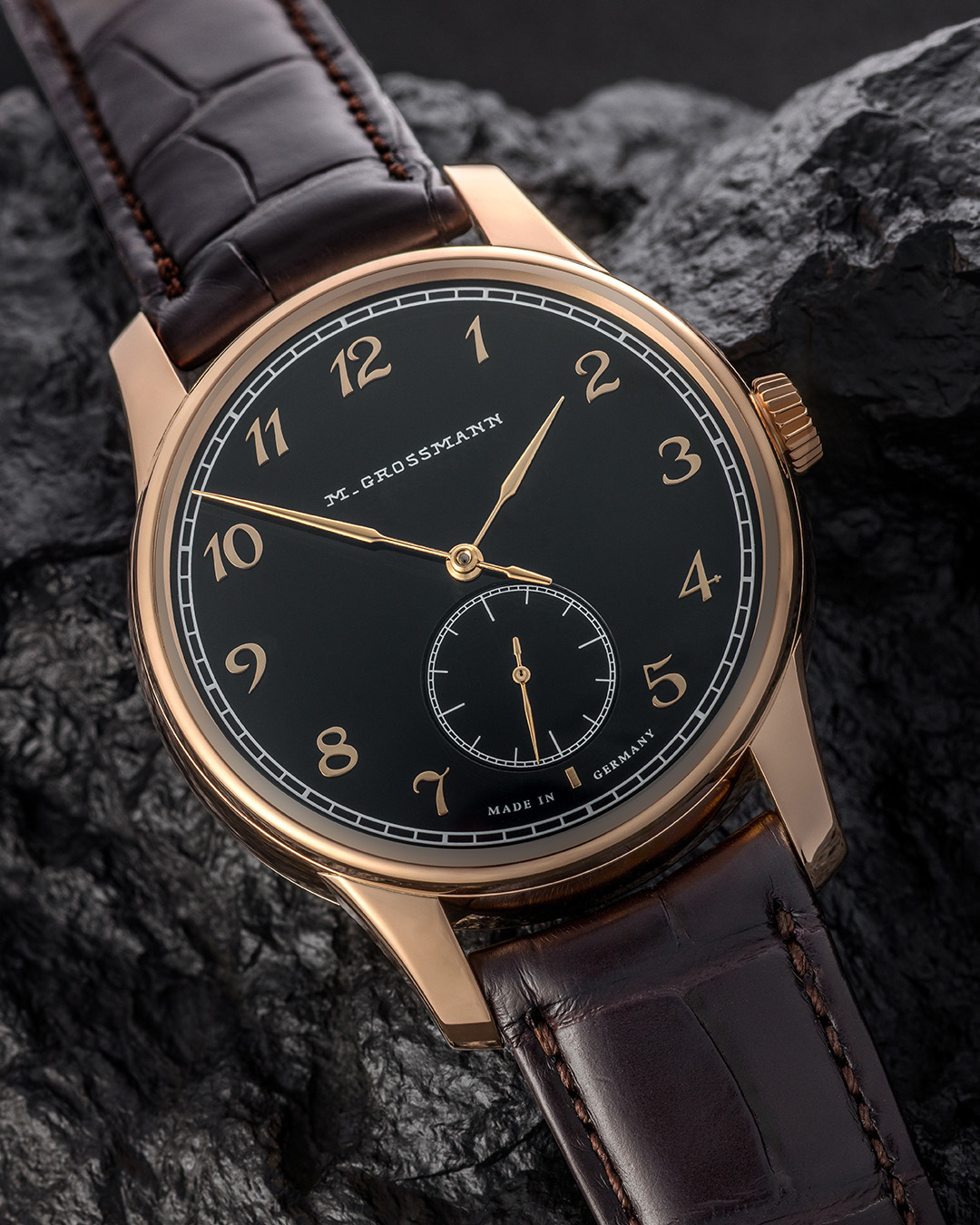
HAMATIC Enamel: the automatic watch with a swinging hammer
Calibre 106.0 winds through an oscillating hammer rather than a conventional rotor. October’s HAMATIC Enamel pairs this construction with black enamel, with eight watches in each metal.
Patek Philippe · Automatic winding · Calibre analyses
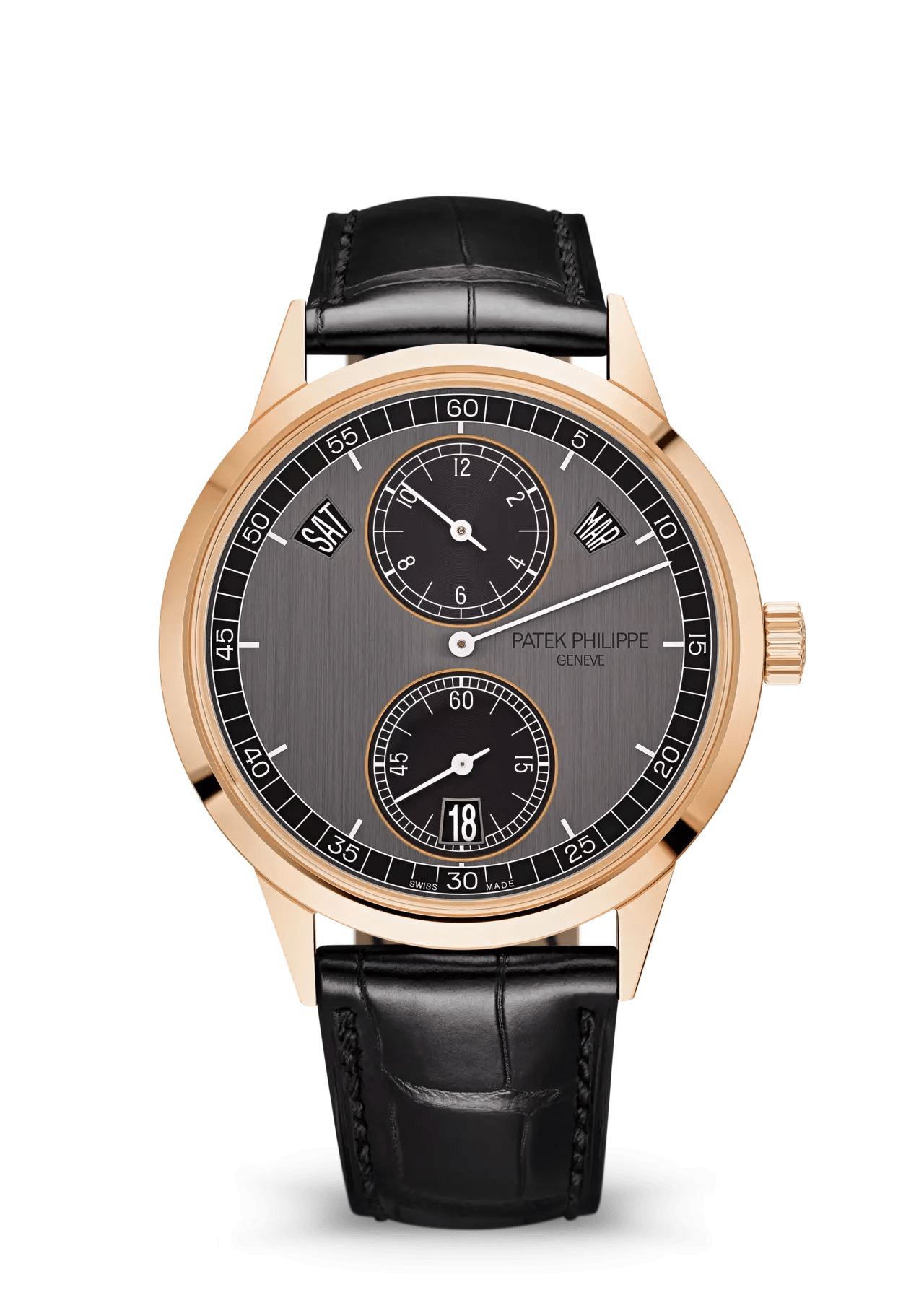
Patek Philippe 5235: why the main hand shows minutes
The 5235/50R-001 regulator separates hours, minutes and seconds onto three axes. Inside is the self-winding 31-260 REG QA with a 22K gold minirotor and an annual calendar.
Audemars Piguet · Automatic winding · Calibre analyses
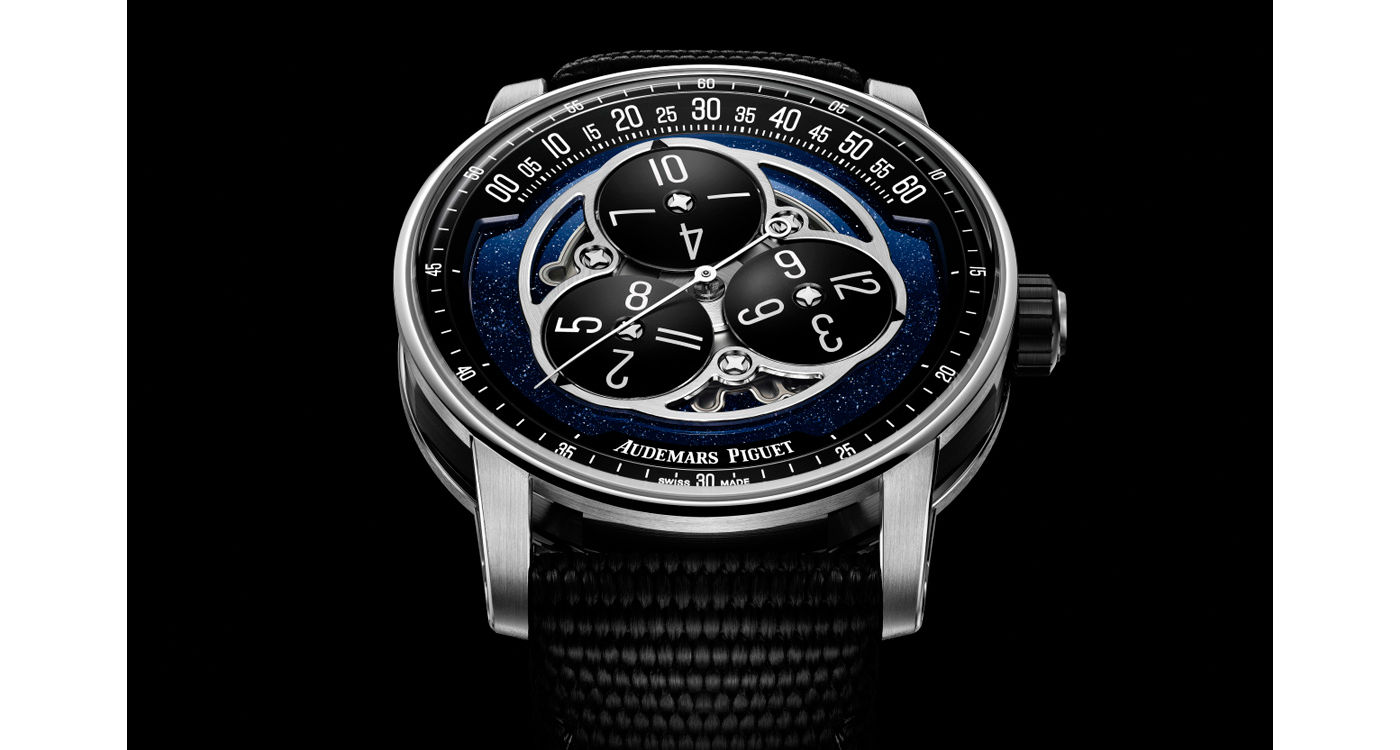
Audemars Piguet Starwheel: the hour numeral becomes the minute pointer
Three rotating discs take turns carrying the hour numeral along a minute arc. The automatic calibre 4310 provides a 70-hour power reserve.
Chopard · Automatic winding · Calibre analyses
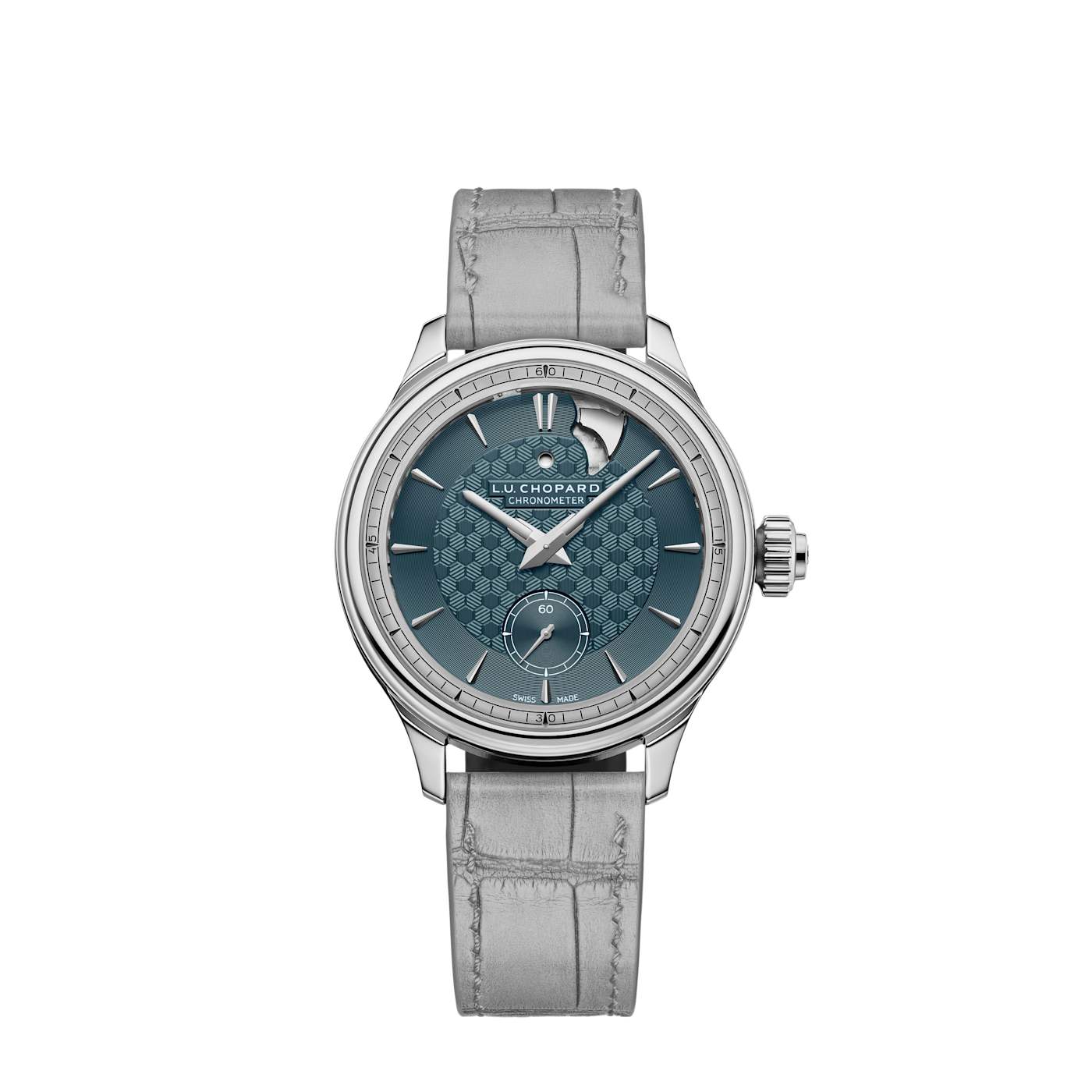
Chopard L.U.C Strike One: a calibre built around one chime
Strike One marks each passing hour with a strike on a sapphire gong. Calibre L.U.C 96.32-L retains approximately 65 hours of reserve with the chime enabled.
KUOE / MIYOTA · Automatic winding · Calibre analyses
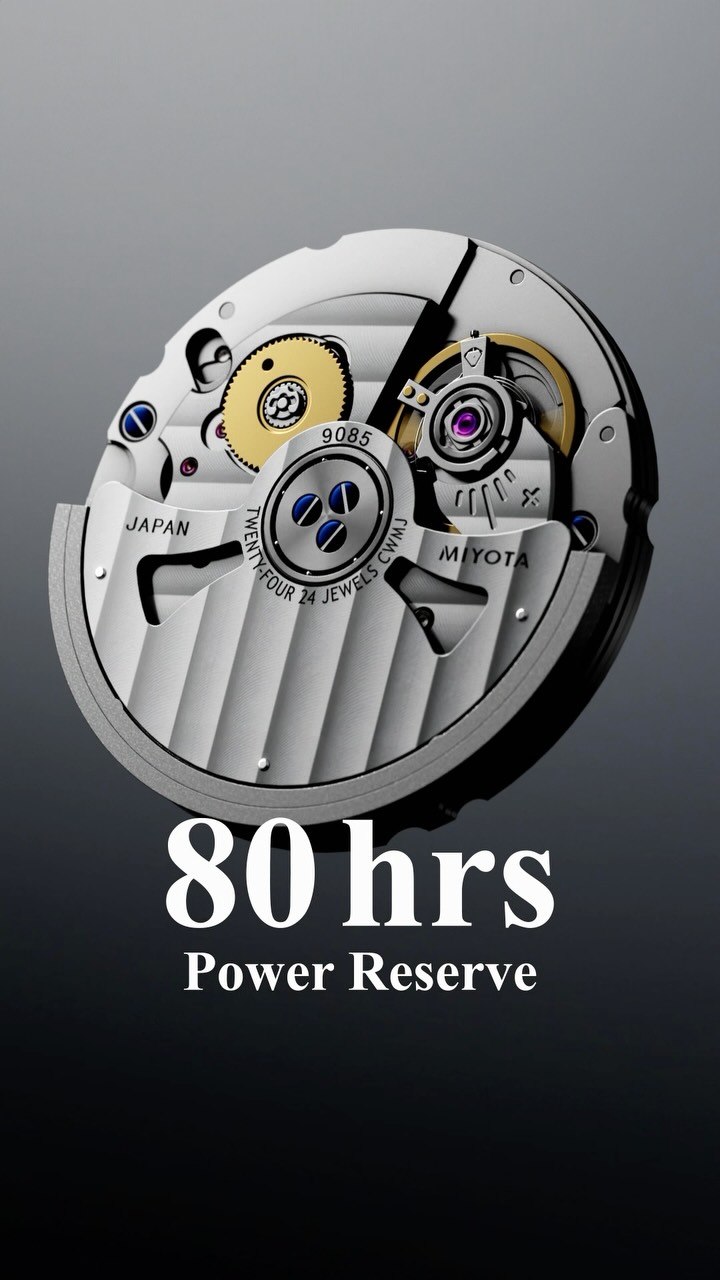
MIYOTA 9085 and KUOE: what an 80-hour reserve means
KUOE is teasing a model powered by MIYOTA 9085 with a stated 80-hour reserve. The reveal is set for October 28 at 00:00 JST — October 27 at 20:00 in Tashkent.
ochs und junior · Automatic winding · Calibre analyses
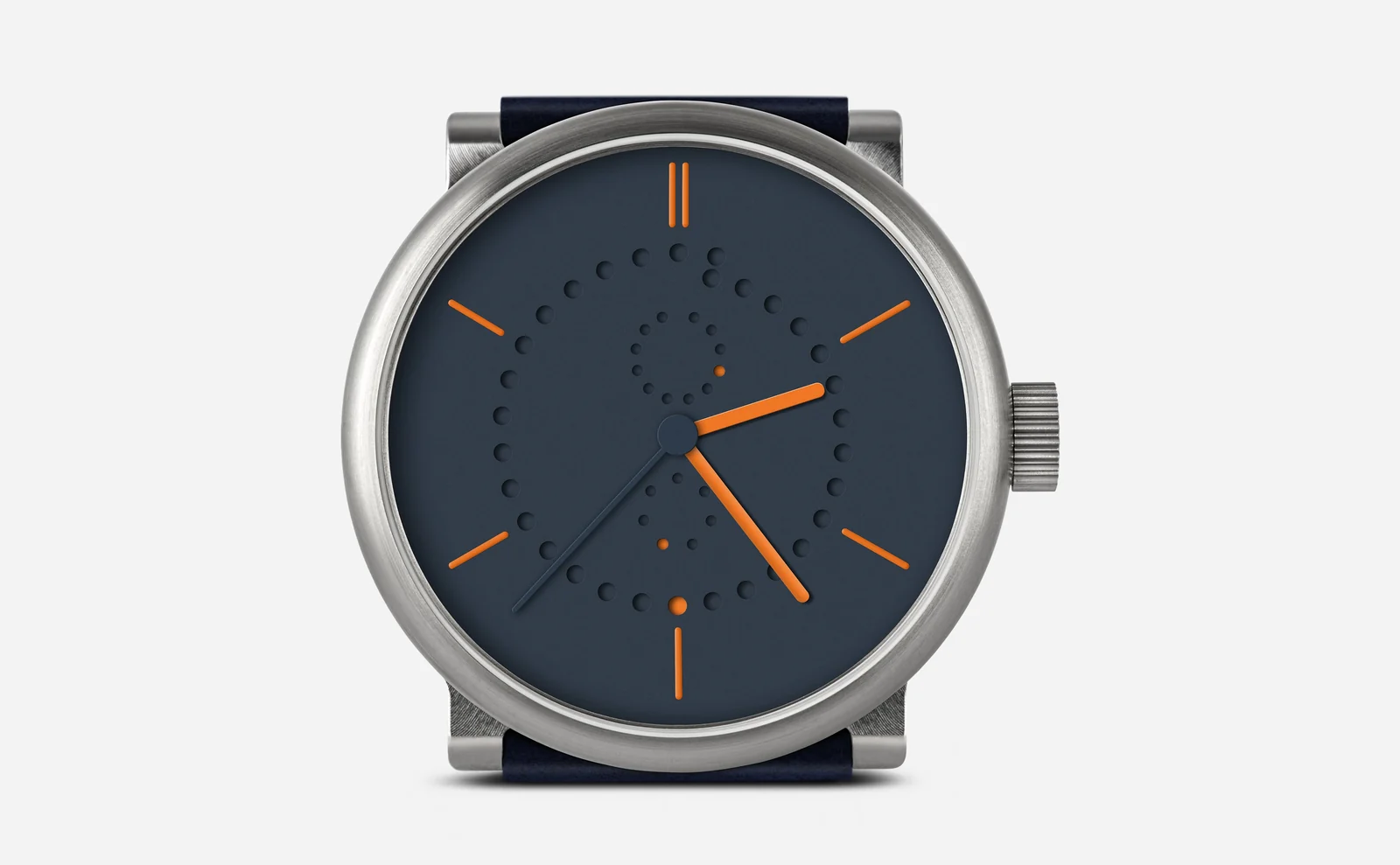
ochs und junior anno: an annual calendar that thinks in gears
Ludwig Oechslin’s annual calendar shows date, weekday and month with dots. Based on ETA 2824-2, the 42 mm titanium anno lists at CHF5,077 for export excluding Swiss VAT.
Chopard · Automatic winding · Calibre analyses
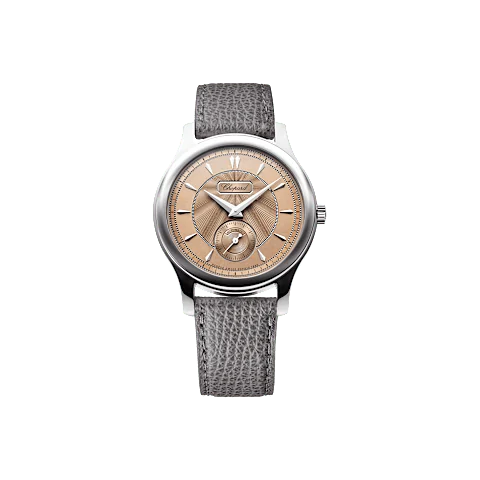
What are we paying for? Chopard L.U.C 1860 versus Alpine Eagle 41 — a $12,700 gap
On Chopard's US website, the L.U.C 1860 costs $29,700 and the Alpine Eagle 41 $17,000. Both have steel cases. We examine what the $12,700 premium brings in movement architecture, dial craft and finishing requirements.
Frederique Constant · Automatic winding · Calibre analyses
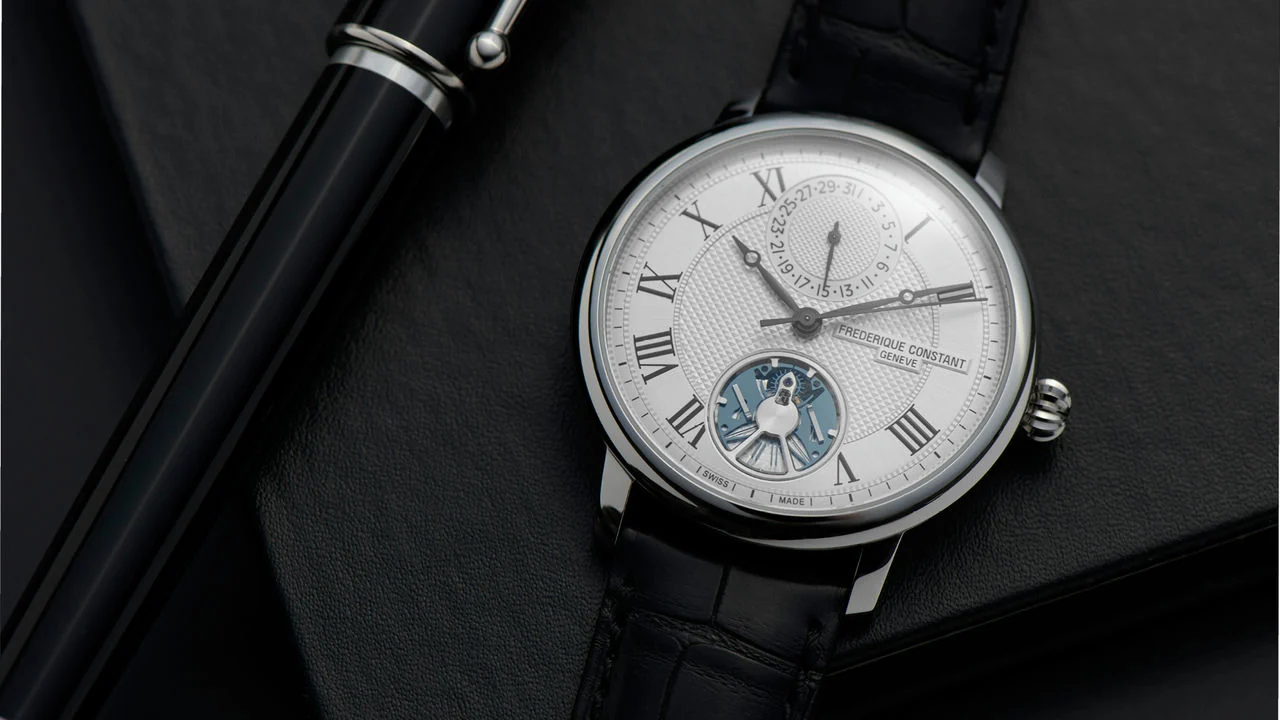
Frederique Constant FC-810: mechanics at 40 Hz
FC-810 runs at 40 Hz, or 288,000 vibrations per hour, while retaining 80 hours of reserve. Monolithic’s secret is its silicon oscillator: flexible elements and regulating masses combine in a compact construction.
CREATIVE TIME · Automatic winding · Calibre analyses
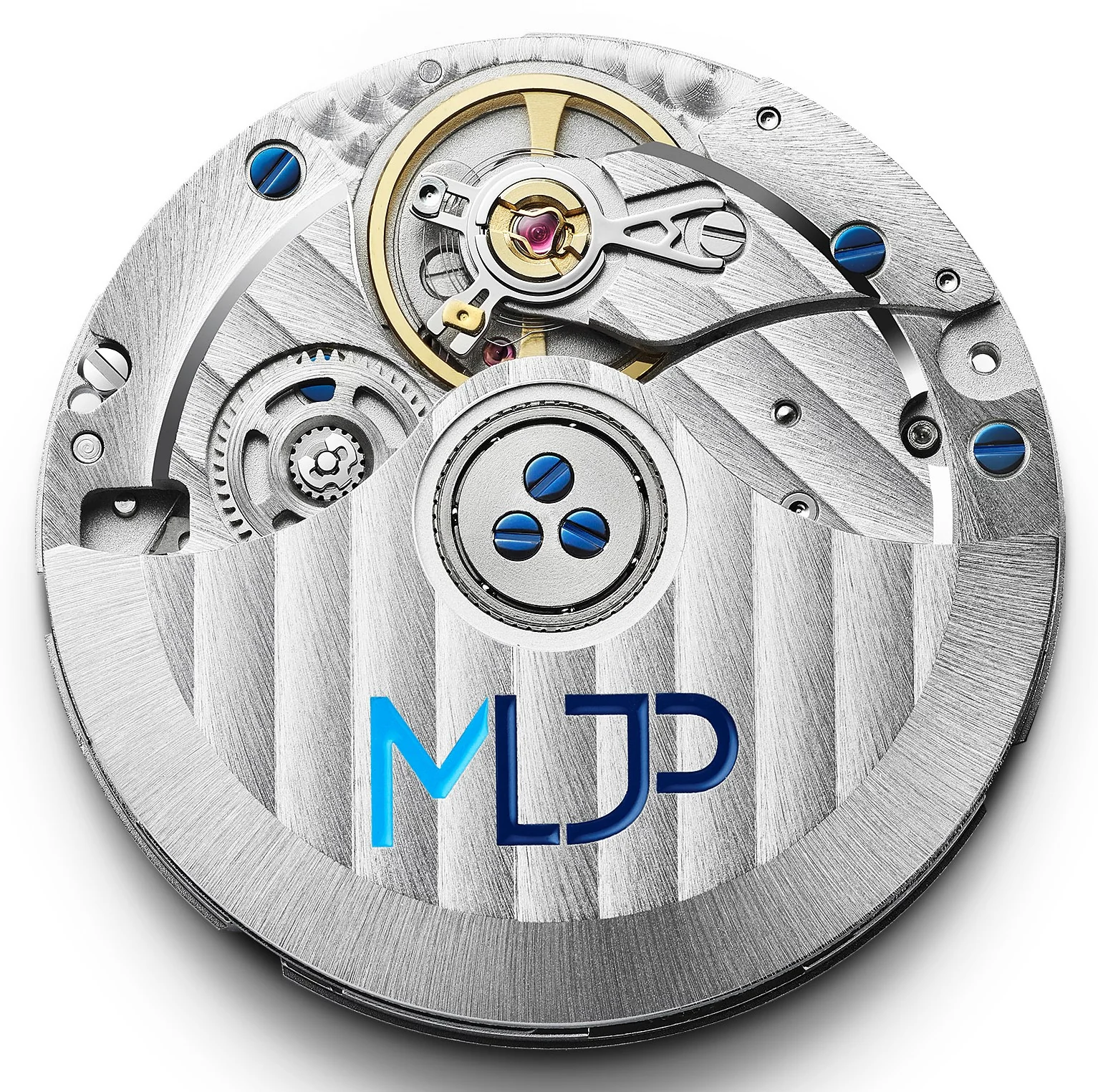
Who is behind the logo? Watch-brand owners and movement makers
Swiss brands Frederique Constant and Alpina belong to Japan’s Citizen Group. We explain who owns watch brands, where cooperation begins, and why sharing a movement supplier does not make watches identical.
Jaeger-LeCoultre · Automatic winding · Calibre analyses
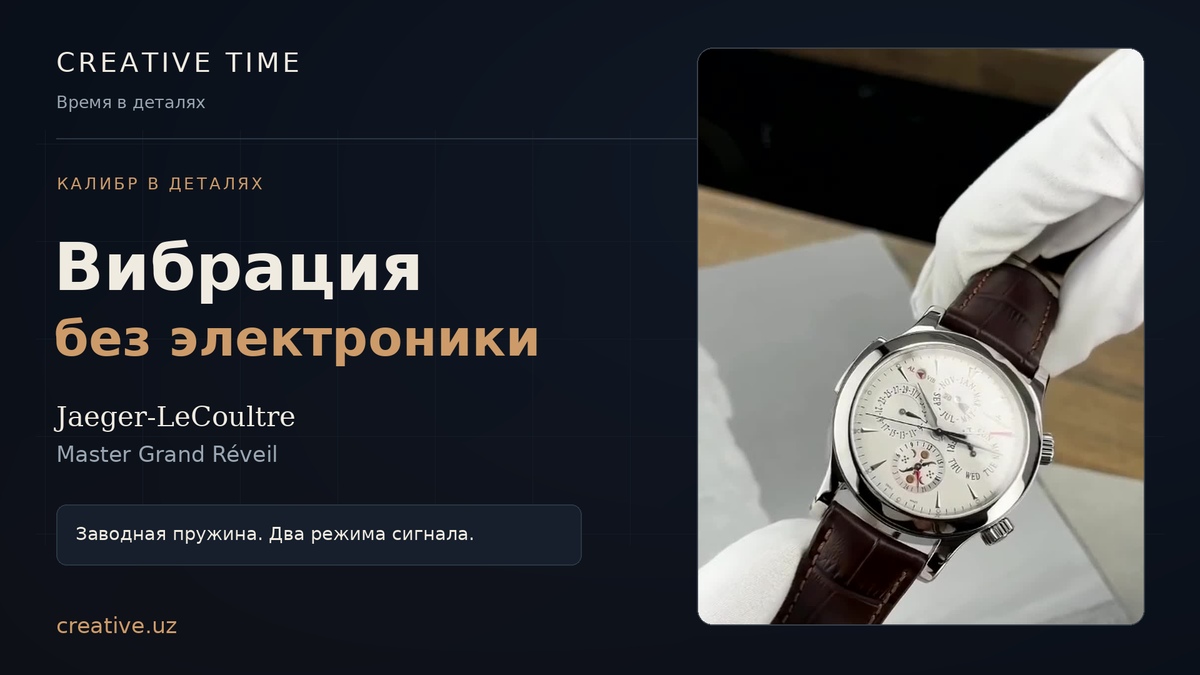
Vibration without electronics: Jaeger-LeCoultre Master Grand Réveil
The Master Grand Réveil mechanical alarm can ring or produce a vibration alert. A separate wound spring stores the energy for the reminder, so this mechanism needs no battery.
NOMOS Glashütte · Automatic winding · Calibre analyses
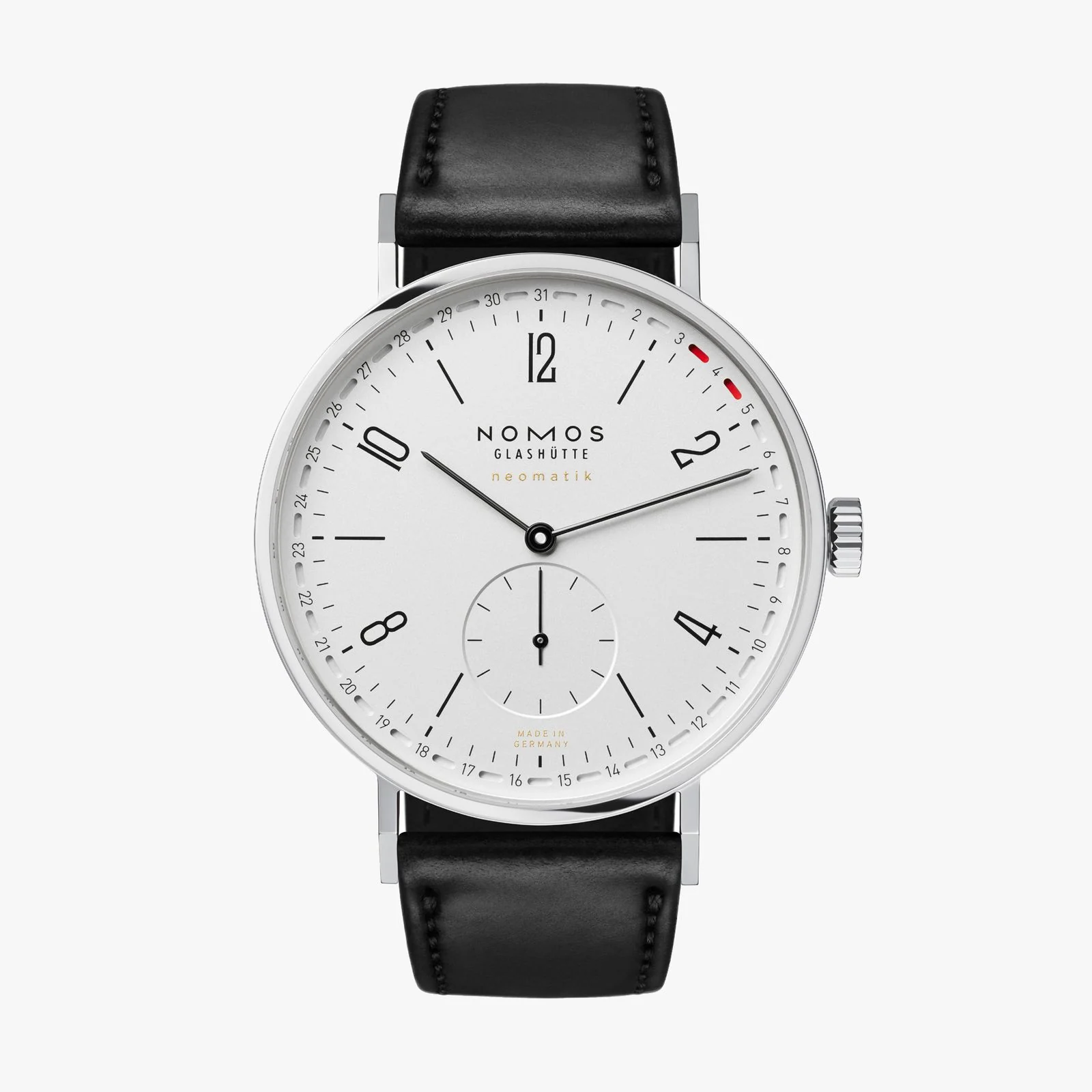
NOMOS DUW 6101: a date that circles the dial
On the Tangente neomatik 41 Update, two red dots mark today's date on a ring at the dial's edge. Behind it is the slim automatic DUW 6101, with bidirectional quick date adjustment.
Ressence · Automatic winding · Calibre analyses
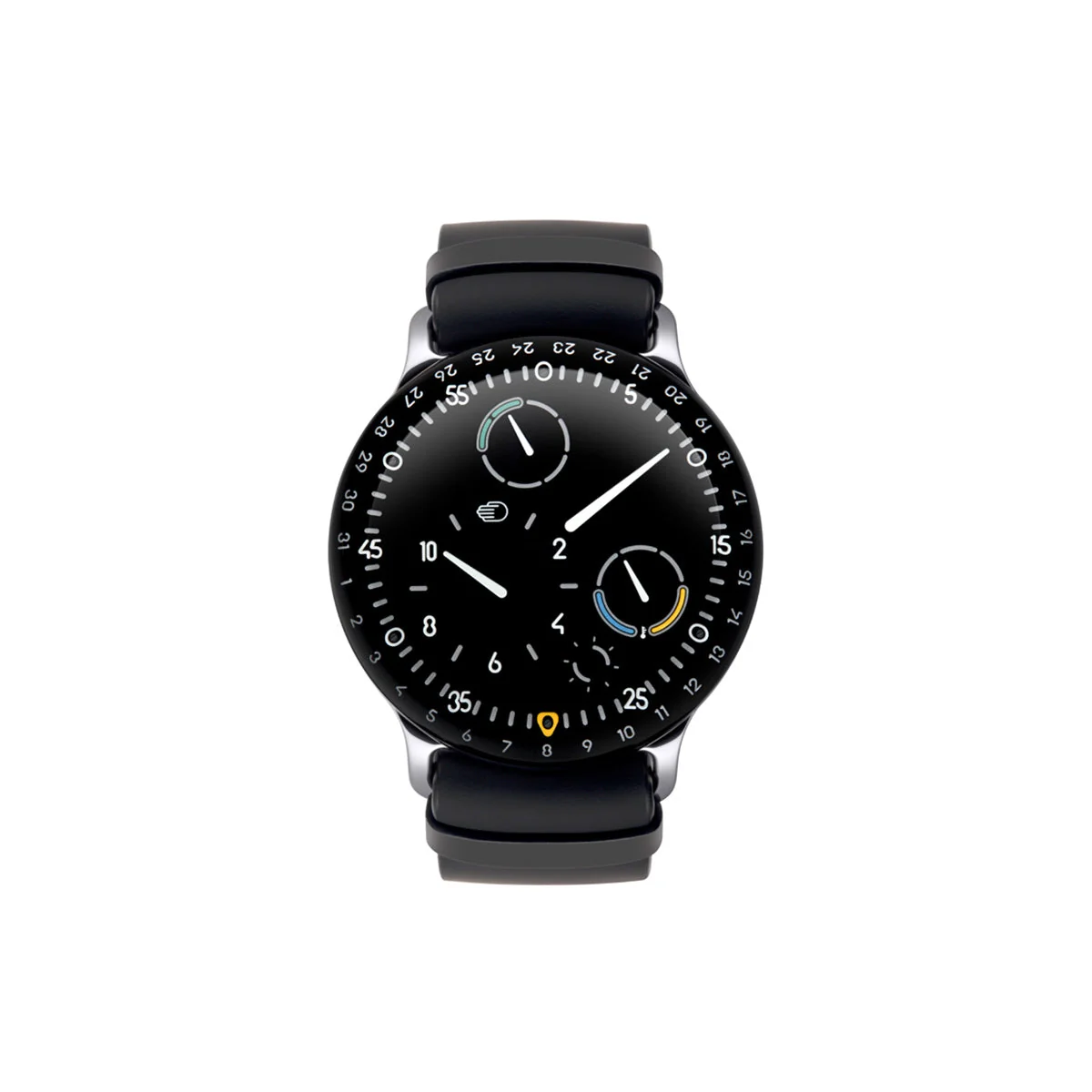
Ressence TYPE 3: how a mechanical watch shows time through oil
The TYPE 3's rotating indications sit in an oil-filled upper chamber while the base movement runs separately below. Magnetic transmission connects them. The near-screen clarity rests on a complex ROCS 3.6 display system.
Rolex · Automatic winding · Calibre analyses
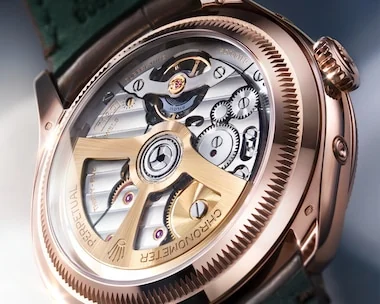
Rolex 7190: how the Haplos calendar recognises a short month
Inside the 2026 Perpetual Padellone, calibre 7190 switches the day, date and month together while Haplos distinguishes 30- and 31-day months. We explain the everyday benefit and why February remains an exception.
Oris · Automatic winding · Calibre analyses
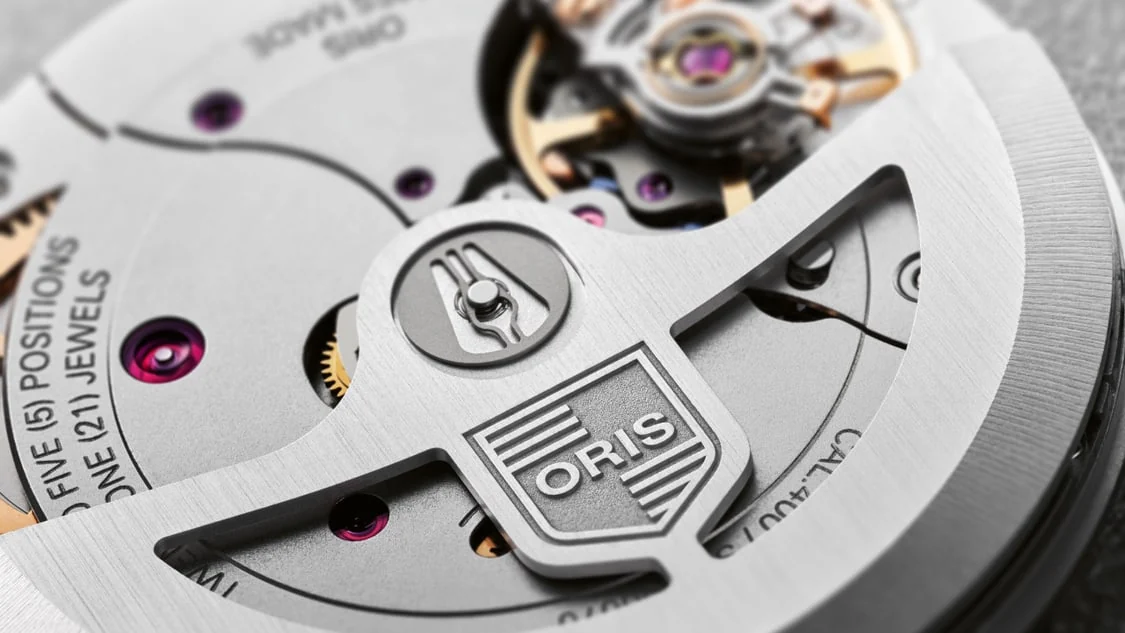
Oris Calibre 400: why an automatic needs two barrels and five days of power
Oris Calibre 400 is designed for 120 hours of running, with two mainspring barrels and a slide-bearing rotor. We examine what owners gain from this layout and how to interpret the promised ten-year service interval.
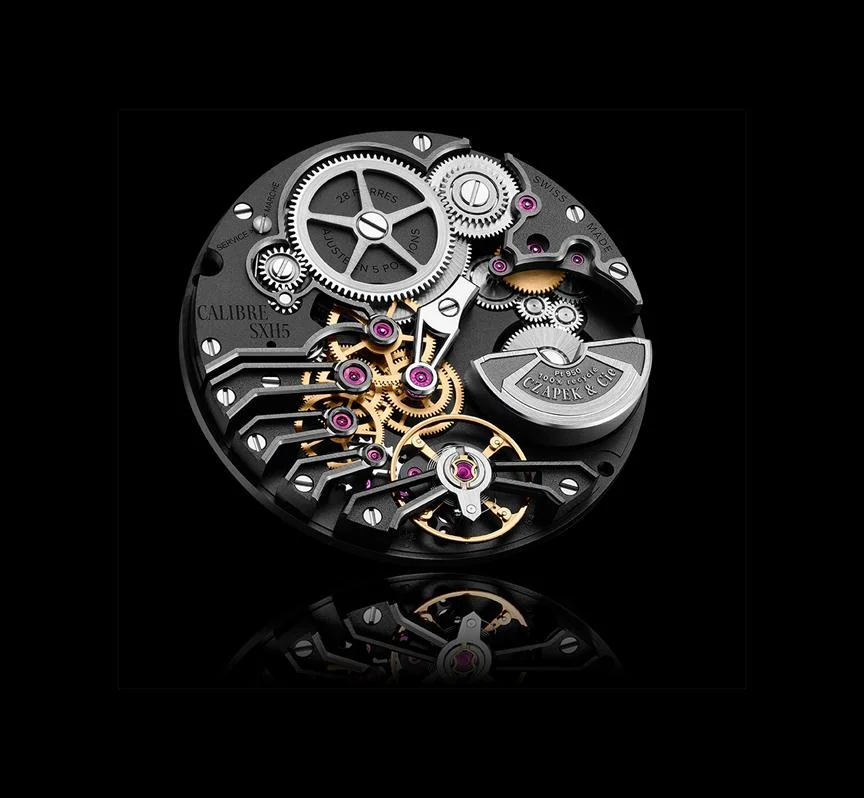
Czapek Genève · Automatic winding · Calibre analyses
Czapek SXH5: seven bridges and a platinum micro-rotor
A rotor usually covers much of an automatic movement. In the SXH5, it is small and offset towards the edge, leaving seven openworked bridges and the wheel train visible. We examine the Antarctique family's calibre.