CREATIVE TIME / CALIBRE ANALYSIS2824-2 — H70455153 exampleCREATIVE TIMEAutomatic winding
Diameter is only the beginning. Case length, thickness, lug shape and bracelet determine the fit. A practical order for trying on watches, without universal wrist-circumference-to-diameter tables.
38 mm — H70455153 example · 42 hours — H70455153 example4 min
 02
02BreguetManual winding
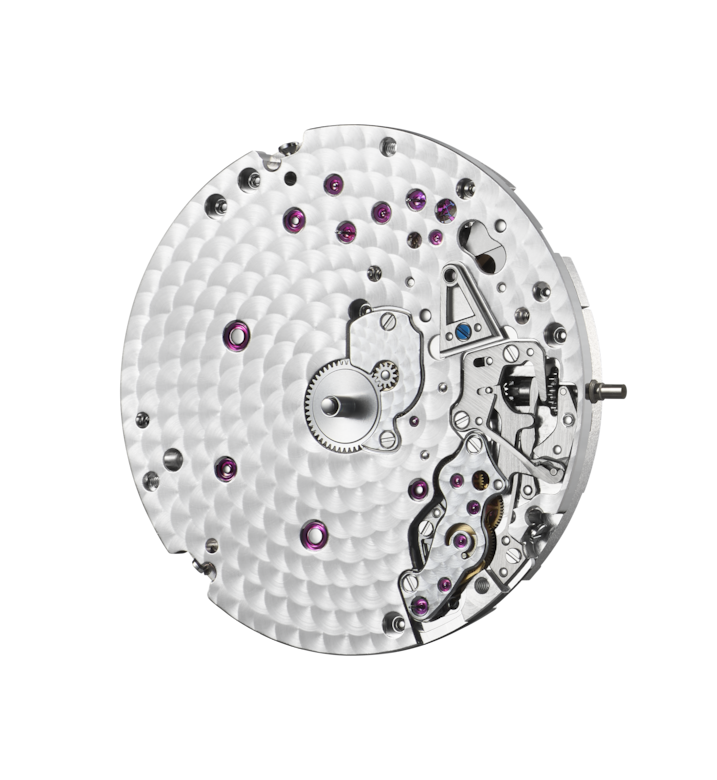
Magnets are usually seen as a threat to mechanical watches, yet in the Breguet 7727 they help support the balance staff. We examine the manually wound 10 Hz 574 DR, its 60-hour reserve and the limits of striking accuracy figures.
41 mm · 60 hours5 min
CREATIVE TIME / CALIBRE ANALYSISEl Primero 3600 / CH 28-520 HUCREATIVE TIMEAutomatic winding
A column wheel controls the chronograph's commands, but does not define everything it does. We explain the difference between control and coupling, and why one term is not enough to choose a watch.
Depends on the model · Depends on the calibre4 min
 04
04OrisAutomatic winding
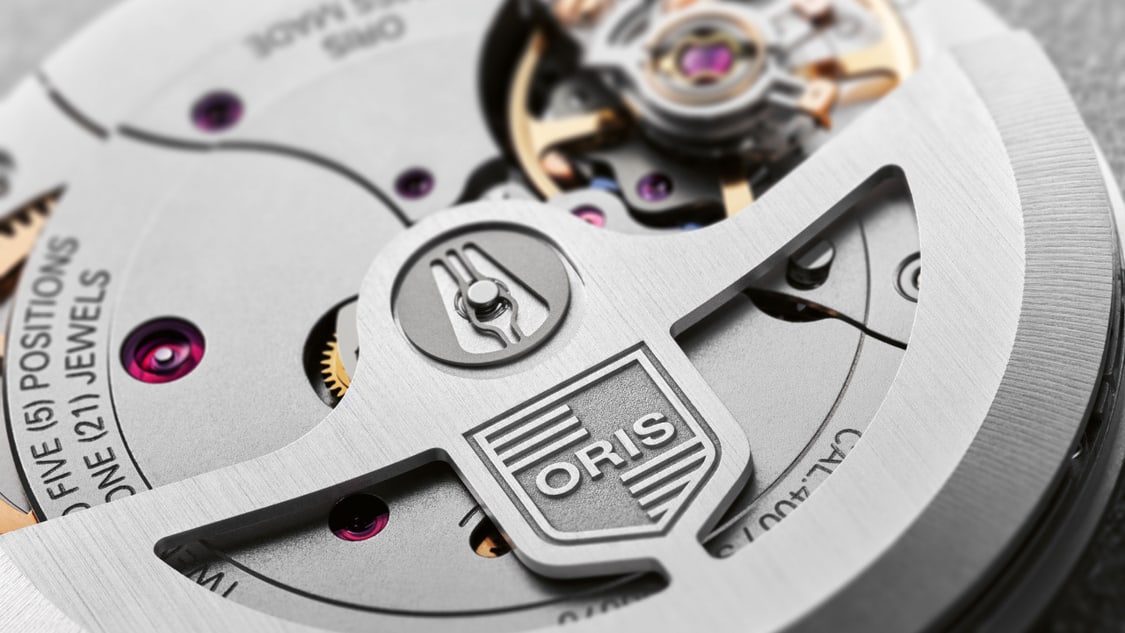
Oris Calibre 400 is designed for 120 hours of running, with two mainspring barrels and a slide-bearing rotor. We examine what owners gain from this layout and how to interpret the promised ten-year service interval.
30 mm — calibre diameter; case depends on the model · 120 hours / 5 days4 min
CREATIVE TIME / CALIBRE ANALYSISPowermatic 80 / Grand Seiko 9SA5CREATIVE TIMEAutomatic winding
A long reserve is convenient when changing watches, but the same 80 hours can be achieved through different engineering approaches. We compare Tissot Powermatic 80 and Grand Seiko 9SA5.
Depends on the model · Up to 80 hours / approximately 80 hours4 min
 06
06F.P.JourneManual winding
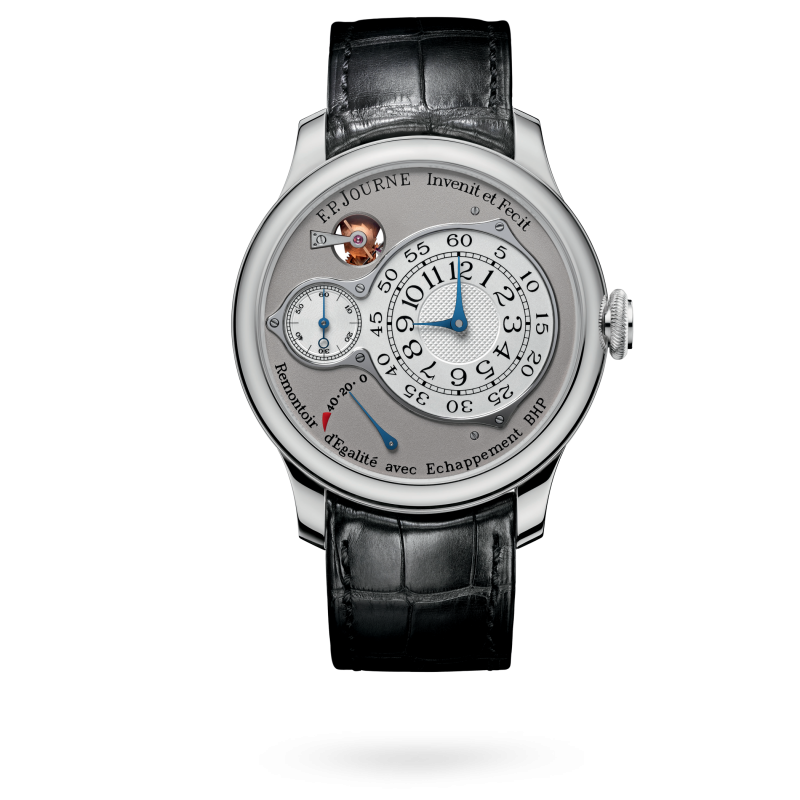
In the Chronomètre Optimum, energy passes through two barrels, a one-second remontoire and the EBHP escapement. We examine why another energy store sits between the mainspring and balance, and why 70 hours of running do not tell the whole story.
40 or 42 mm · 70 ± 2 hours4 min
CREATIVE TIME / CALIBRE ANALYSISGrand Seiko 9S64 / 9S65CREATIVE TIMEManual winding
Some watches ask you to turn a crown; others wind through wrist movement. Both are mechanical. Using Grand Seiko's 9S64 and 9S65, we explore which is more convenient for a single watch and for a collection.
Depends on the model · About 72 hours — both examples4 min
 08
08Grand SeikoManual winding
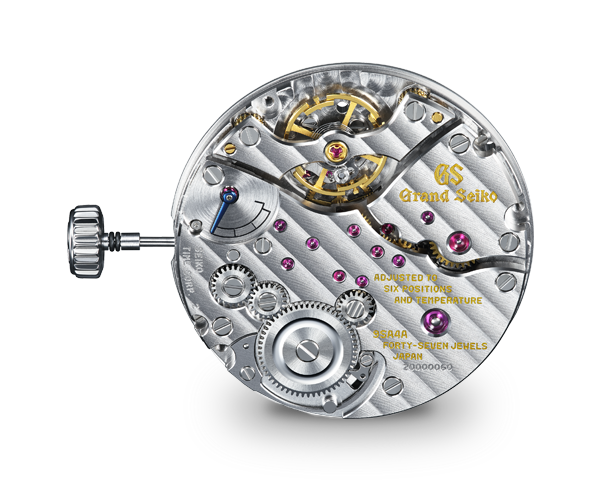
A hand-wound 5 Hz calibre with around 80 hours of reserve. Grand Seiko rethought the winding assembly and shaped one component like a bird, whose movement is visible as the crown turns.
38.6 mm — SLGW003 · Around 80 hours3 min
 09
09Czapek GenèveAutomatic winding
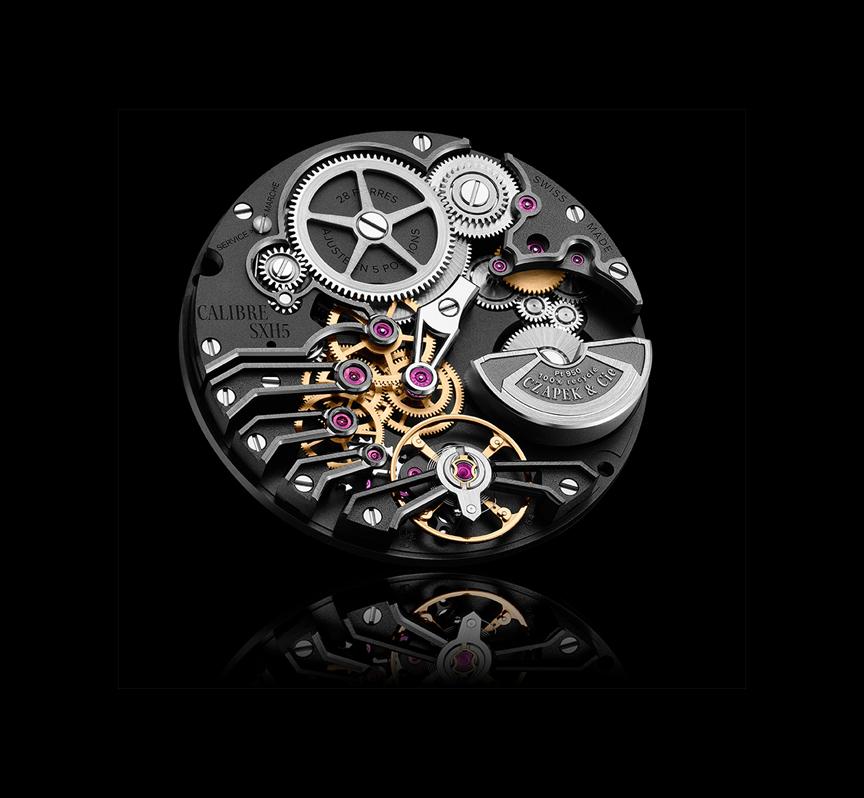
A rotor usually covers much of an automatic movement. In the SXH5, it is small and offset towards the edge, leaving seven openworked bridges and the wheel train visible. We examine the Antarctique family's calibre.
30 mm — calibre diameter · More than 60 hours3 min

Frédérique Constant
The FC-810 is fascinating through its dial opening: a small silicon component oscillates at 40 Hz. Frédérique Constant combines several familiar regulator functions within it.
Monolithic oscillator
Explore the calibre
NOMOS Glashütte
A button advances the local hour and city disc while home time stays on a separate scale. NOMOS integrates all of this into the slim automatic DUW 3202 with its own swing system escapement.
Integrated world time
Explore the calibre