
Journal archive
All reviews
New models, interesting movements, details and character.
Tag cloud
Brands, models and subjects. The number is the article count; larger tags appear more often.
All remaining tags 29
Selected tag: Manual winding
Found: 33 articles
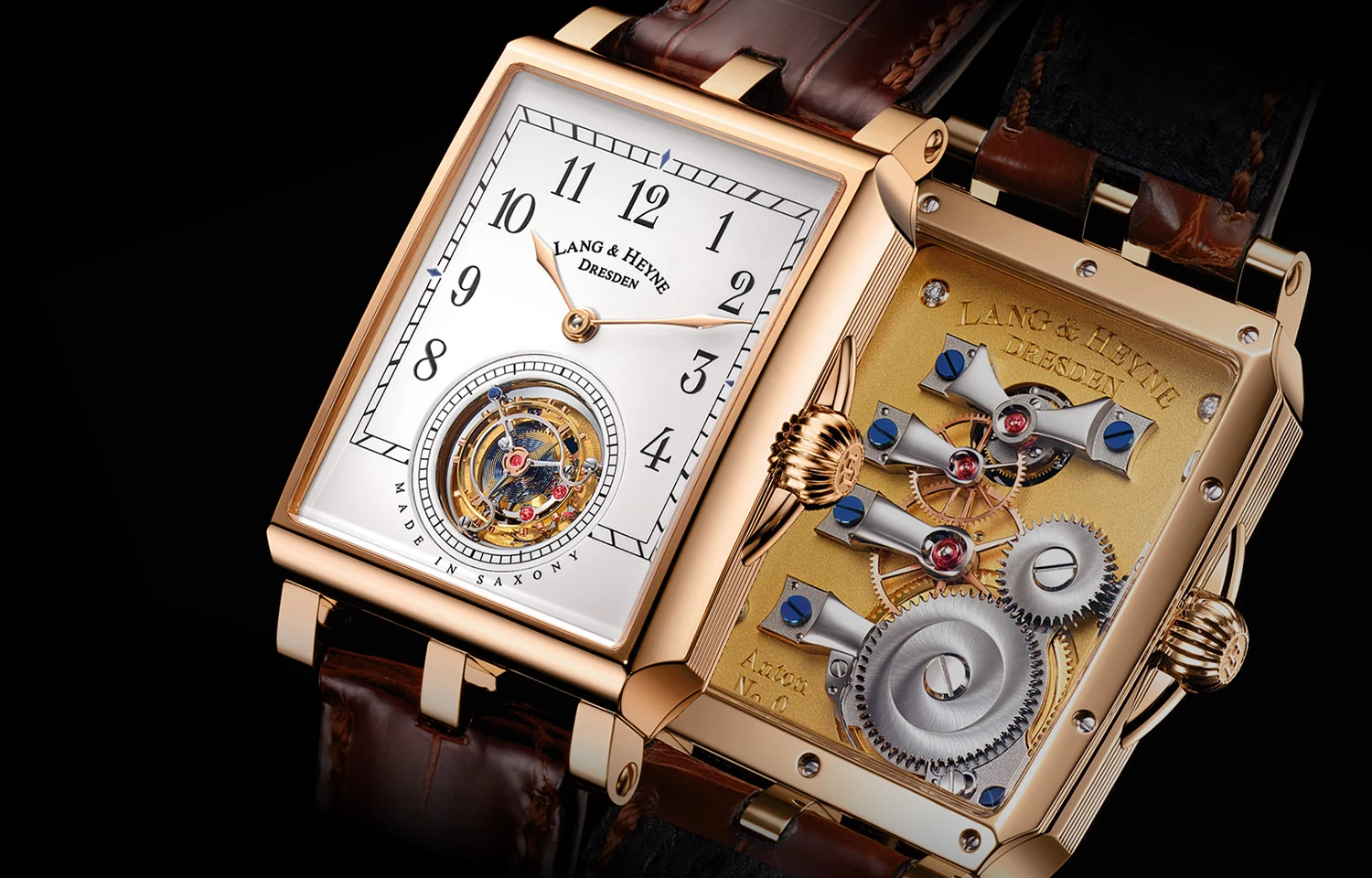
Lang & Heyne · Manual winding · Calibre analyses
Lang & Heyne Anton: giving the tourbillon room to breathe
The rectangular Anton reveals a minute tourbillon without an upper bridge. Its manually wound calibre IX runs for 55 hours, while a 9.4 mm case keeps the complication from becoming a bulky exhibit.
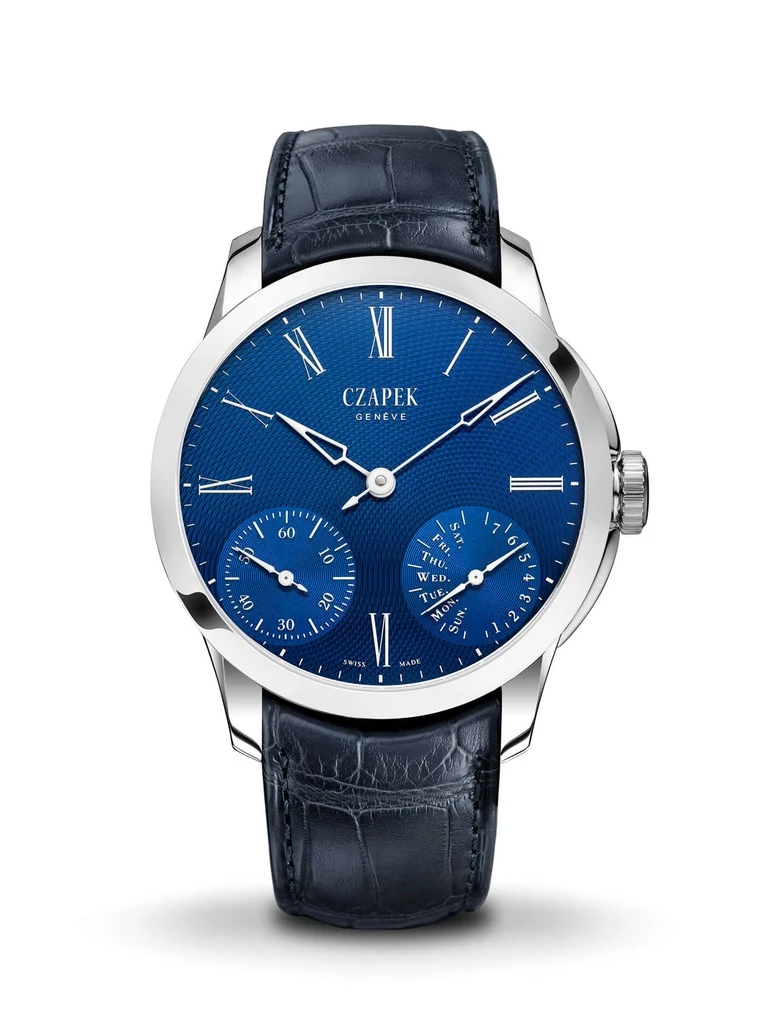
Czapek Genève · Manual winding · Calibre analyses
Czapek SXH1: a week of running beneath blue enamel
Quai des Bergues Sapphire Blue S pairs a 38.5 mm case with the hand-wound SXH1 and a week of power reserve. Its appeal is not a race for complications, but the way a movement can set a relaxed rhythm for living with a watch.
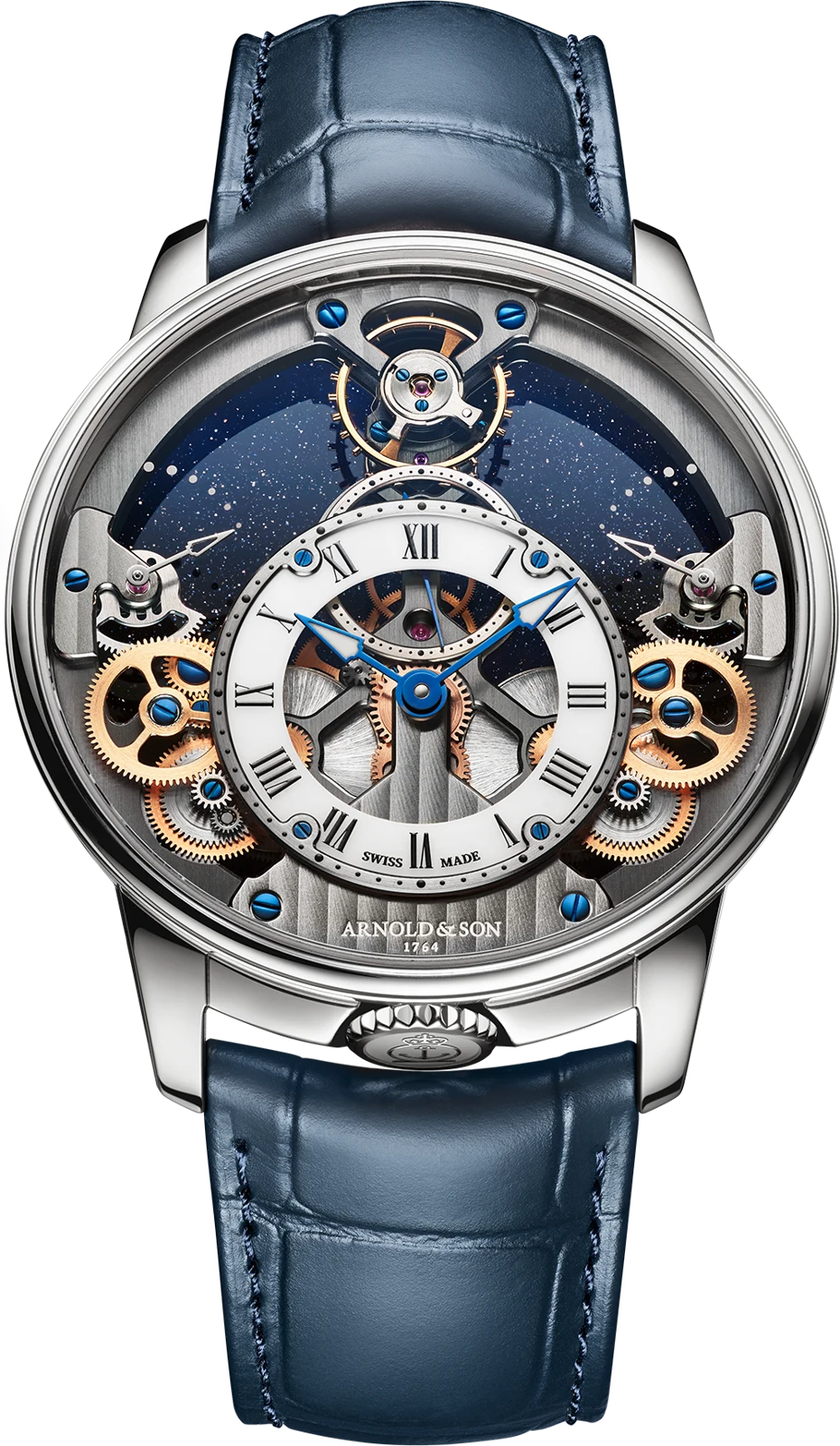
Arnold & Son · Manual winding · Calibre analyses
Arnold & Son Time Pyramid: mechanics on a vertical axis
Two barrels, two reserve displays and 90 hours of running time: A&S1615 makes manual winding visible architecture. A closer look at the platinum Time Pyramid 42.5 with aventurine glass.

Armin Strom · Manual winding · Calibre analyses
Armin Strom ARM21: the mechanics of a week on one wind
Two serial barrels and a three-dimensional reserve display: ARM21 exposes its energy storage on the open face of the One Week.
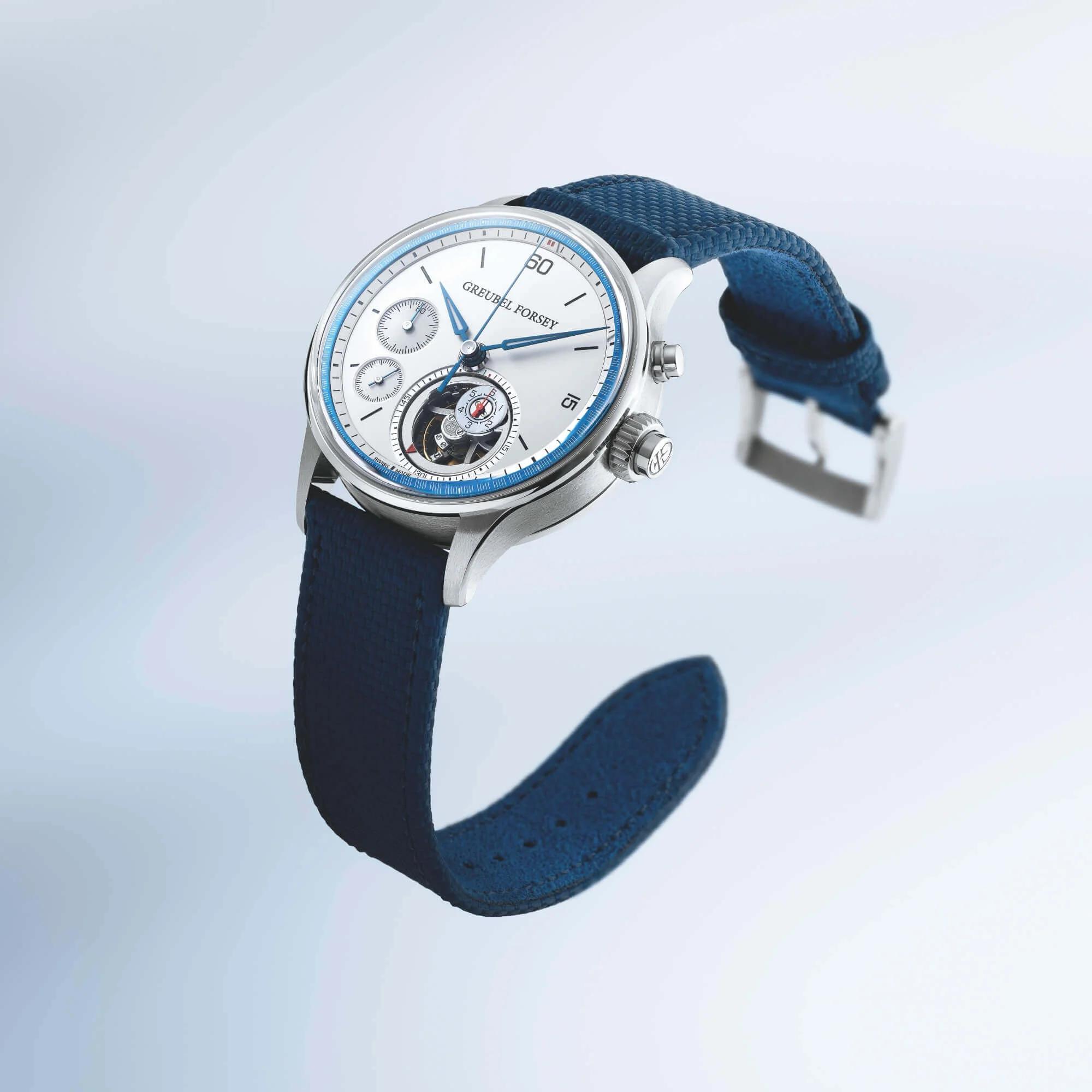
Greubel Forsey · Manual winding · Calibre analyses
Greubel Forsey Nano Foudroyante: six jumps and 16 nanojoules
Why a continuously running hand needs six jumps per second, how it fits inside a tourbillon, and why saving energy has not delivered multi-day autonomy. We examine the 22-piece version.
Grand Seiko · Manual winding · Calibre analyses
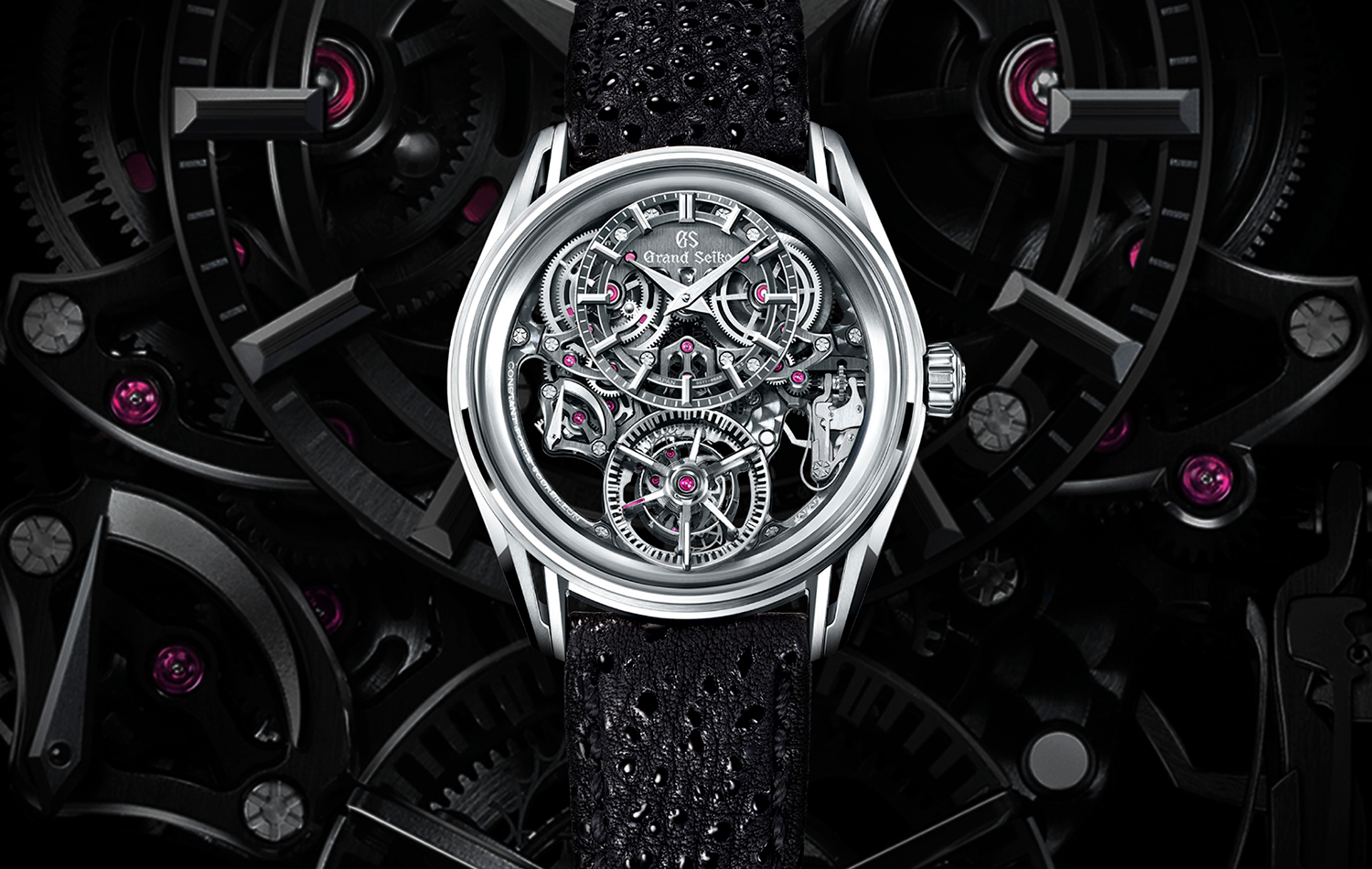
Grand Seiko 9ST1: why Kodo needs two rhythms on one axis
Inside 9ST1 in Kodo SLGT003: how coaxial carriages manage energy, why a one-second impulse differs from balance frequency, and how 50 hours of constant force differs from a 72-hour power reserve.
Orient Star · Manual winding · Calibre analyses
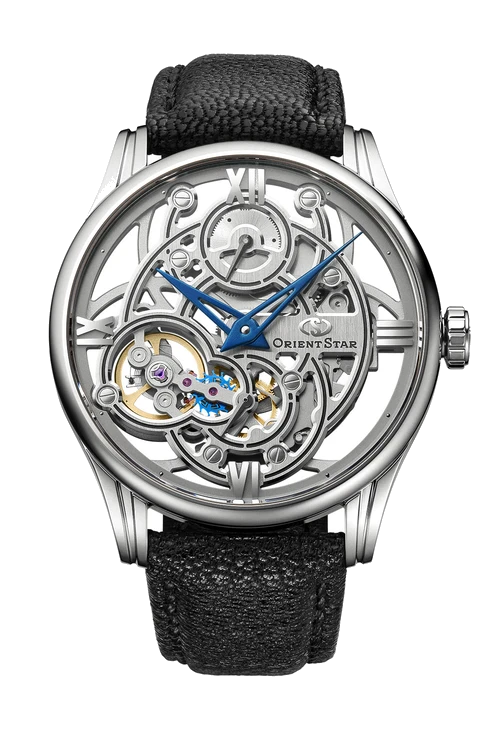
Orient Star F9B82: three levels of exposed mechanics
Calibre F9B82 turns three levels of overlapping circles into the open architecture of the anniversary Orient Star Skeleton. Hand winding, a silicon escape wheel and over 72 hours of reserve fit inside a steel case just 9.5 mm thick. We explore the mechanics behind that transparency and the correct way to handle its winding crown.

Cyrus · Manual winding · Calibre analyses
Cyrus CYR625: why turn a tourbillon upright?
In the hand-wound CYR625, the vertical tourbillon determines the entire architecture: hours and minutes occupy two retrograde arcs, while a small sphere shows the power reserve. We examine the reason for the 90° turn, its 100-hour autonomy and an important restriction when setting the minutes.
MB&F · Manual winding · Calibre analyses
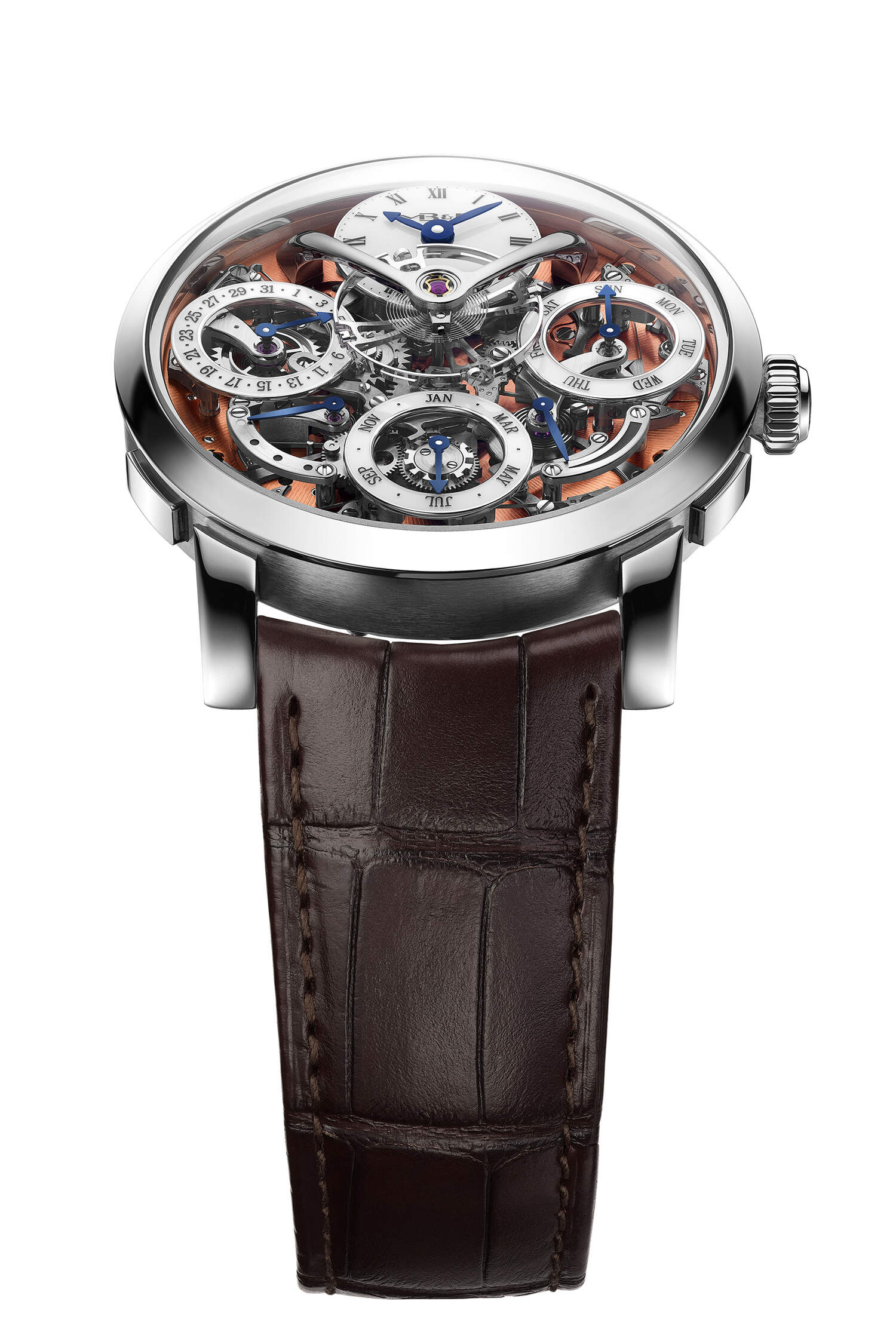
MB&F LM Perpetual: the calendar that starts with 28 days
The steel LM Perpetual with its salmon-coloured plate reveals Stephen McDonnell’s different approach to a perpetual calendar: begin with 28 days and add the days needed. We examine its integrated 581-component calibre, separate year setting and the important limitations of its protected correctors.

GENUS · Manual winding · Calibre analyses
GENUS GNS1.2WG: reading time along a figure-eight path
In the original GNS1.2WG, twelve independent elements travel in a figure eight, while time combines the hour on the left, tens of minutes in the centre and units on the right. We examine the 160W-1.2 calibre and the habits it asks of its owner.

Ferdinand Berthoud · Manual winding · Calibre analyses
Ferdinand Berthoud FB 2RE.2: why elaborate mechanics tick once a second
Calibre FB-RE.FC combines a fusee-and-chain transmission with a one-second remontoir. Black enamel conceals an elaborate energy-delivery system, while the central seconds hand advances in single steps.

OMEGA · Manual winding · Calibre analyses
OMEGA 9908: two barrels and three scales in the Speedmaster Chronoscope
The 43 mm Chronoscope pairs the hand-wound 9908 with a column wheel, Co-Axial escapement and two series-coupled barrels. Here is how its 60-hour reserve, combined counter and three measuring scales fit together.
F.P.Journe · Manual winding · Calibre analyses
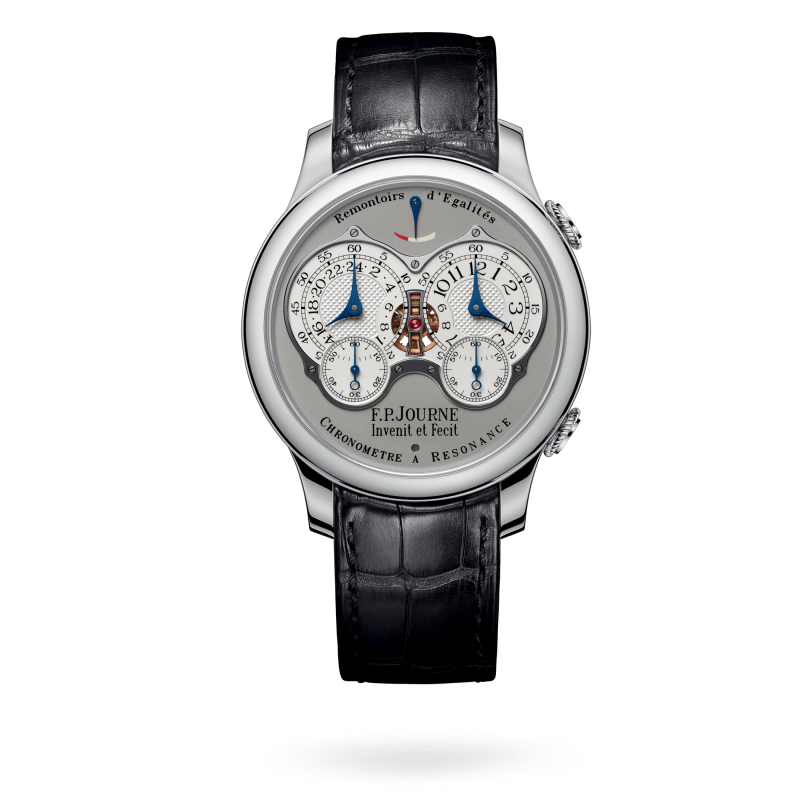
F.P.Journe 1520: one barrel, two balances and two remontoirs
In calibre 1520, one barrel powers two independent gear trains through a differential. Each train has its own one-second remontoir; the total 42-hour reserve should not be confused with the constant-force system’s approximately 28-hour effective running period.

Armin Strom · Manual winding · Calibre analyses
Armin Strom ARR25: why a repeater can play 12:59 at any time
ARR25 combines two resonance-coupled regulators with four-hammer Westminster chiming. A separate mode plays 12 hours, three quarters and 14 minutes regardless of the hands.
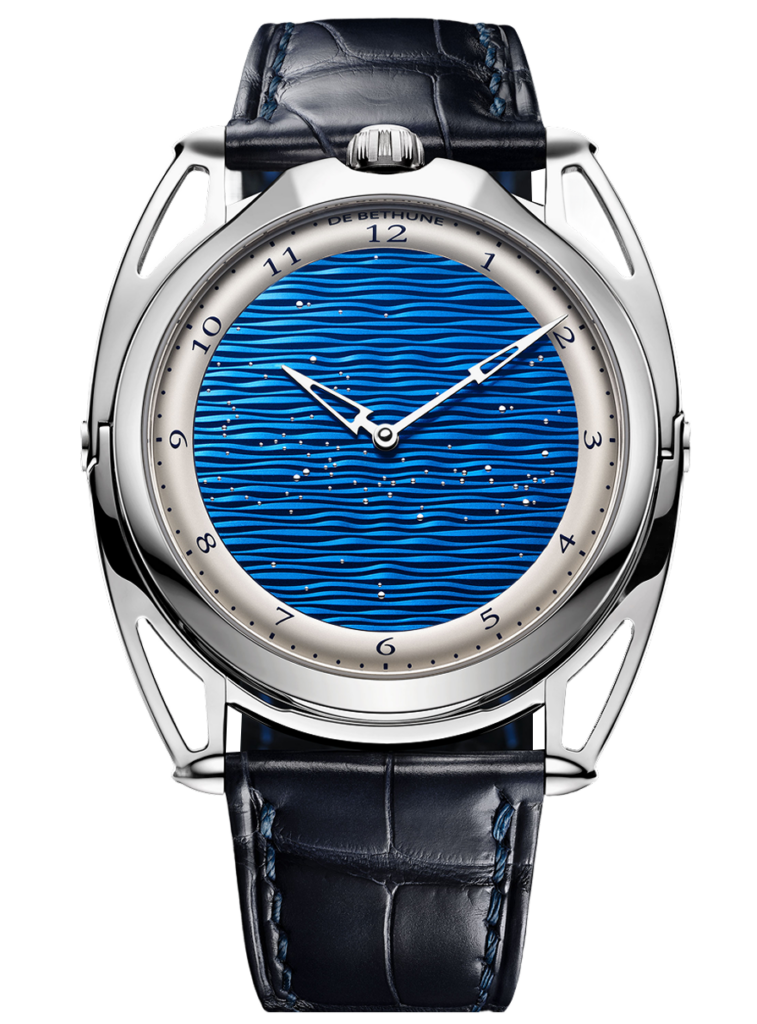
De Bethune · Manual winding · Calibre analyses
De Bethune DB2005: six days inside the slim DB28xs Starry Seas
DB28xs Starry Seas combines a 7.4 mm case with the hand-wound DB2005: twin barrels provide six days at 4 Hz. Floating titanium lugs complement its compact 38.7 mm diameter.

Louis Moinet · Manual winding · Calibre analyses
Louis Moinet LM114: one pusher, two barrels and a blue tourbillon
The LM114 combines a monopusher chronograph and flying tourbillon with a stated 96-hour reserve. In the 1816 Tourbillon Chronograph, this hand-wound calibre sits in a 40.6 mm titanium case; production is 12 watches.
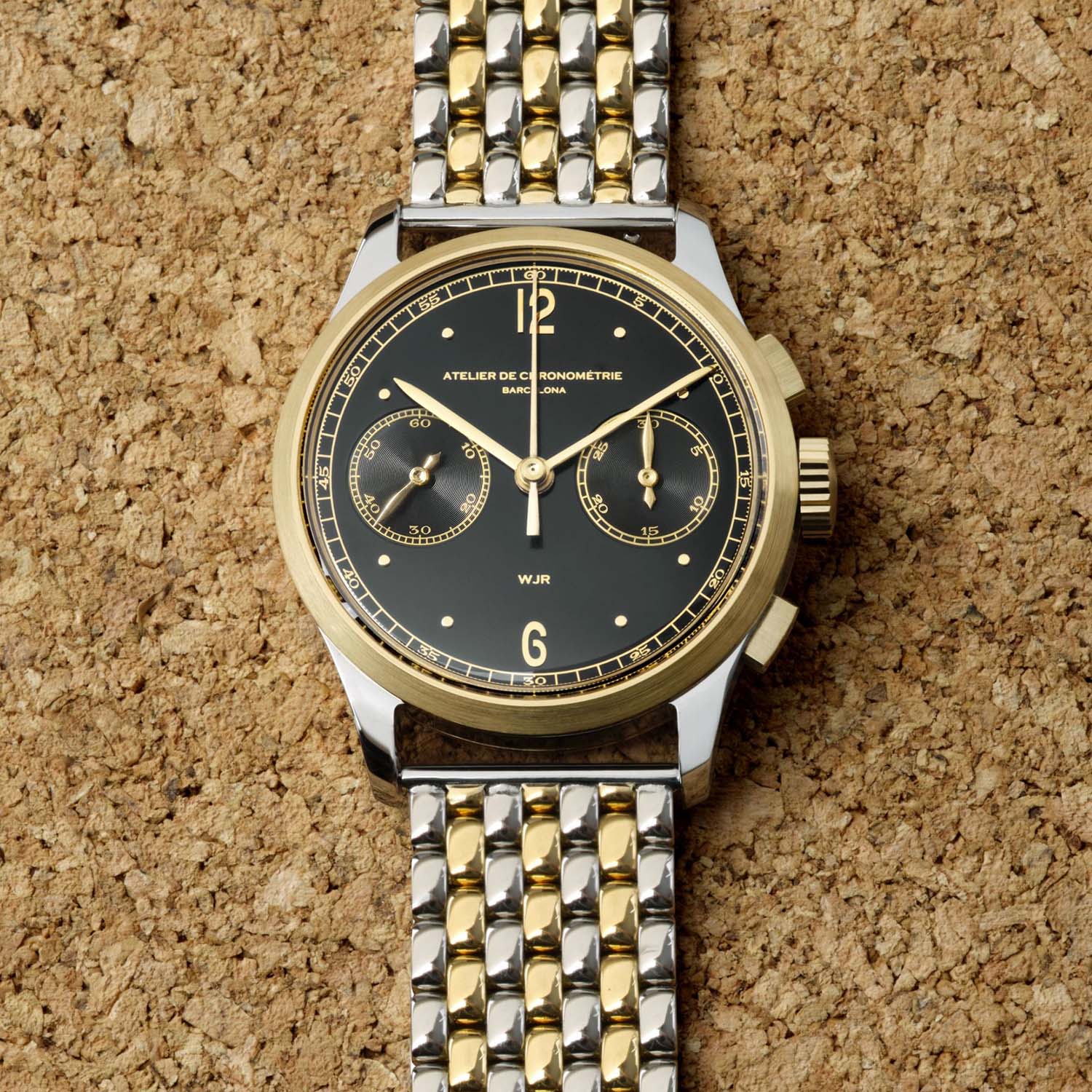
Atelier de Chronométrie · Manual winding · Calibre analyses
AdC16 and S440: a chronograph minute that changes in one jump
Atelier de Chronométrie transformed the Valjoux 23 into the hand-wound S440 with an instantaneous chronograph minute counter. The calibre offers 52 hours of reserve; the bespoke AdC16 shown has a 36 mm case.
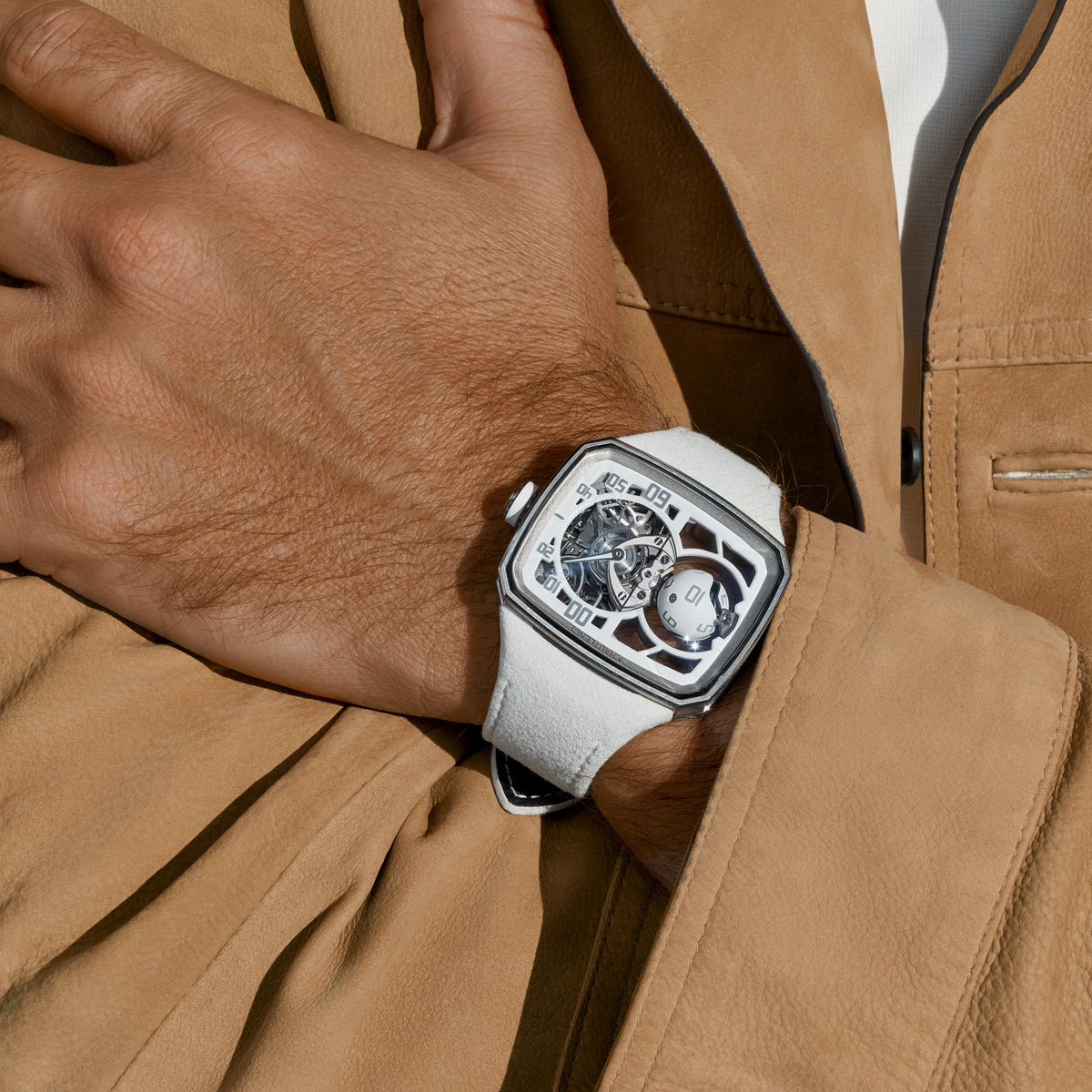
Hautlence · Manual winding · Calibre analyses
Hautlence A82: the hour sphere turns as the minute hand returns
The Sphere Series 5 shows hours on a titanium sphere rotating on three axes. Its minute hand crosses a 180° arc and returns to the start; the hand-wound A82 runs for at least 72 hours.

Moritz Grossmann · Manual winding · Calibre analyses
Moritz Grossmann 100.2: why a watch needs a bar and a separate button
Calibre 100.2 displays its remaining energy through a two-colour bar, while a separate button ends time setting and restarts the movement. Inside the hand-wound POWER RESERVE.
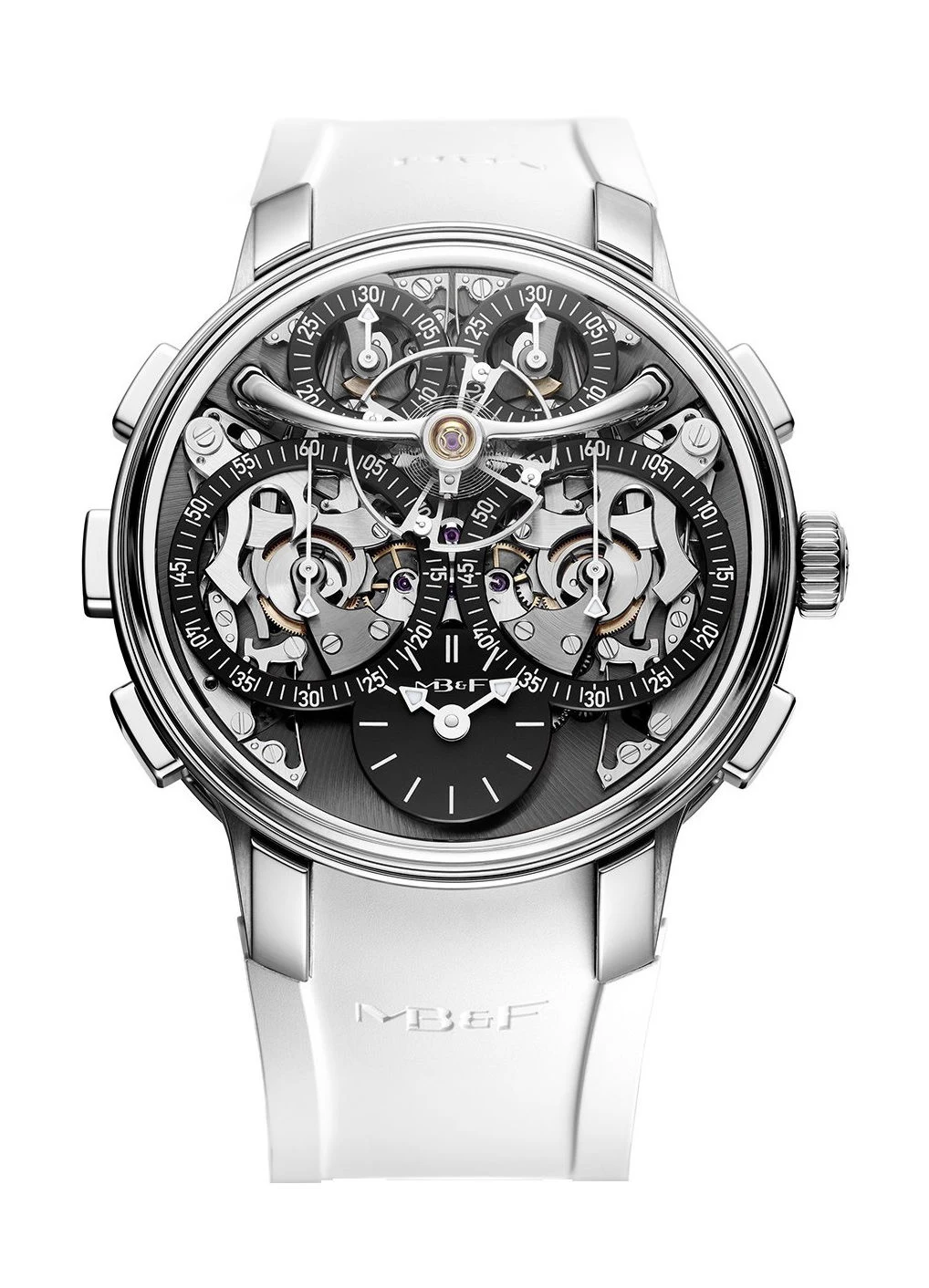
MB&F · Manual winding · Calibre analyses
MB&F LM Sequential EVO: two chronographs and one switch that changes their logic
Two independent chronographs operate inside one case. The Twinverter switch can stop one and start the other in a single press, turning the watch into a timer for alternating events.
Jaeger-LeCoultre · Manual winding · Calibre analyses
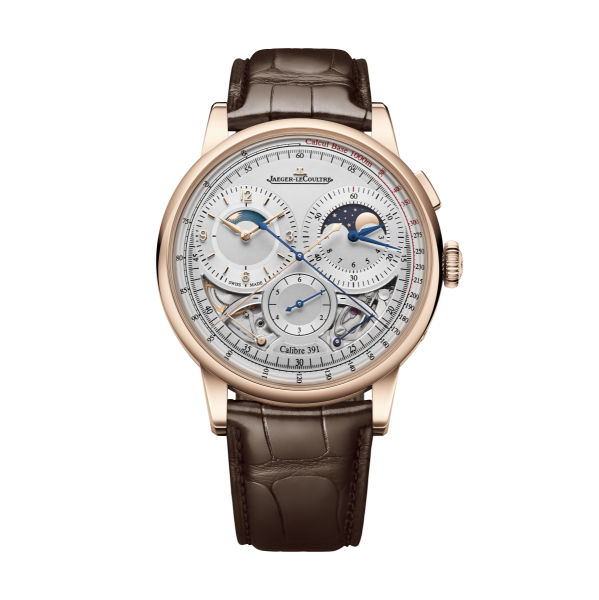
Jaeger-LeCoultre 391: two energy reserves, one rhythm
In the Duometre Chronograph Moon, calibre 391 separates the power supplies for timekeeping and the chronograph. Each barrel has about 50 hours of reserve; they do not add up to 100 hours.

Zenith · Manual winding · Calibre analyses
Zenith Zero G: a balance that keeps its horizon
The DEFY Zero G mounts its regulating organ in a gimbal to keep it horizontal as the case tilts. The hand-wound El Primero 8812 S combines this arrangement with a 5 Hz balance.
Atelier Mephalie · Manual winding · Calibre analyses
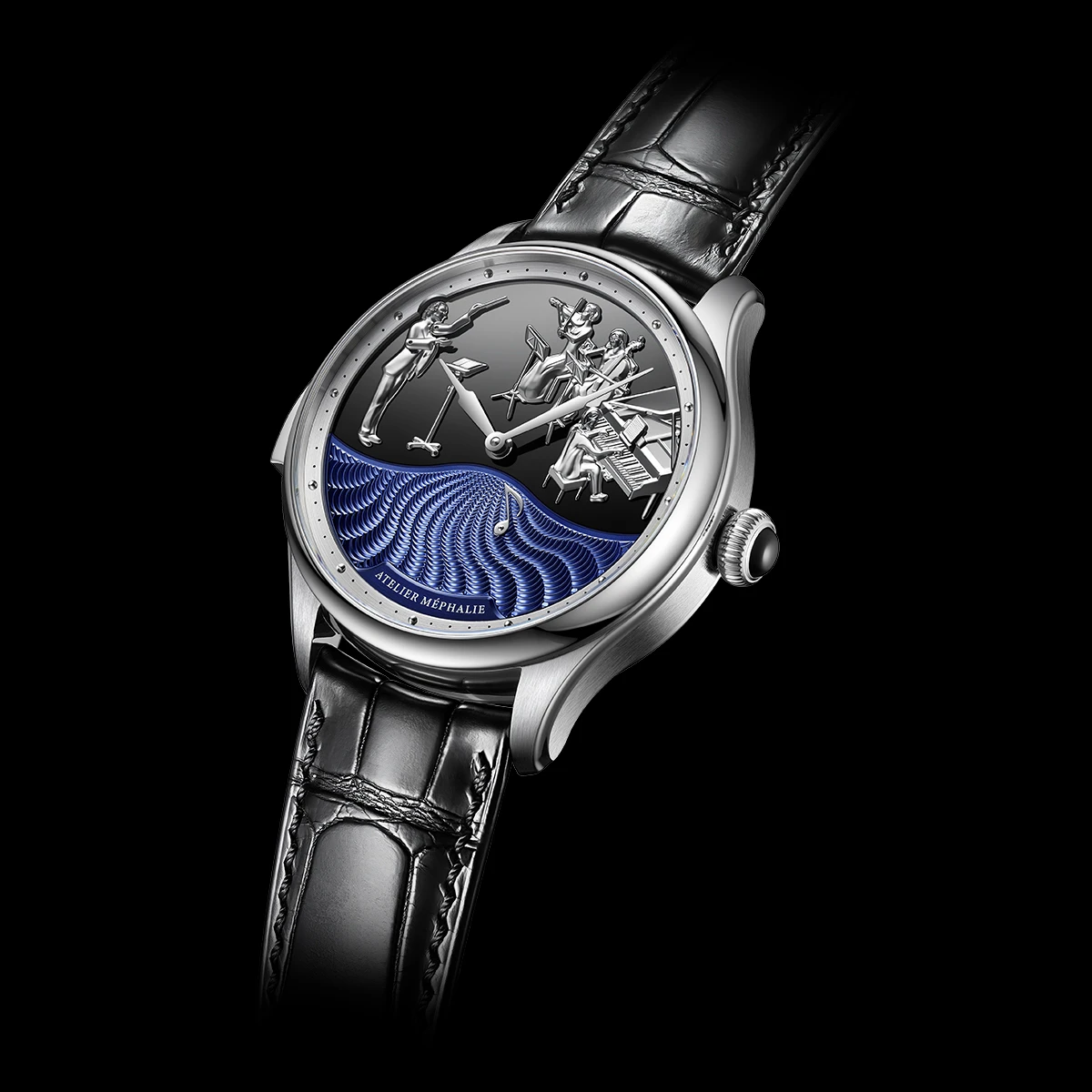
Atelier Mephalie and the minute repeater: how a watch speaks the time
The Conductor, priced at $25,000 before taxes, offers a reason to explain what a minute repeater does and how to listen to its chimes.
Girard-Perregaux · Manual winding · Calibre analyses
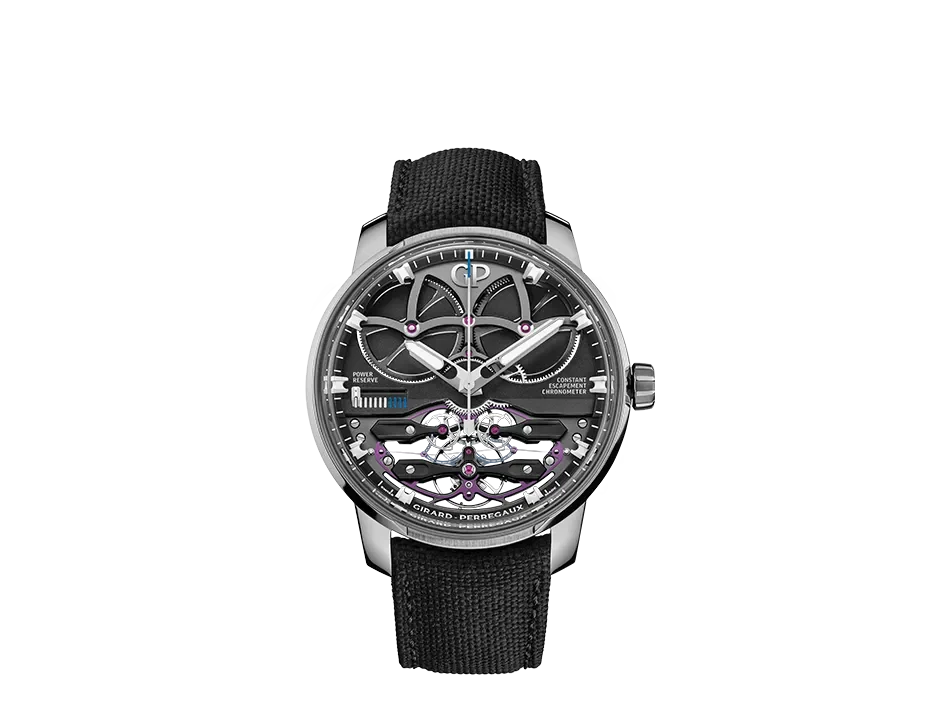
Girard-Perregaux GP09200: a silicon blade controls the force
A silicon blade switches between two stable states to help deliver uniform energy to the balance. We explain why the GP09200 uses constant force, and why consistent timekeeping does not mean zero error.

Jaeger-LeCoultre · Manual winding · Calibre analyses
Jaeger-LeCoultre 101 Secrets: less than a gram of mechanics beneath pink sapphires
Calibre 101 weighs less than one gram, measures 14 × 4.8 × 3.4 mm and now contains 98 parts. In the 101 Secrets, this micromechanism is concealed inside a gem-set gold bracelet and appears only when a hidden button is pressed.
MB&F · Manual winding · Calibre analyses
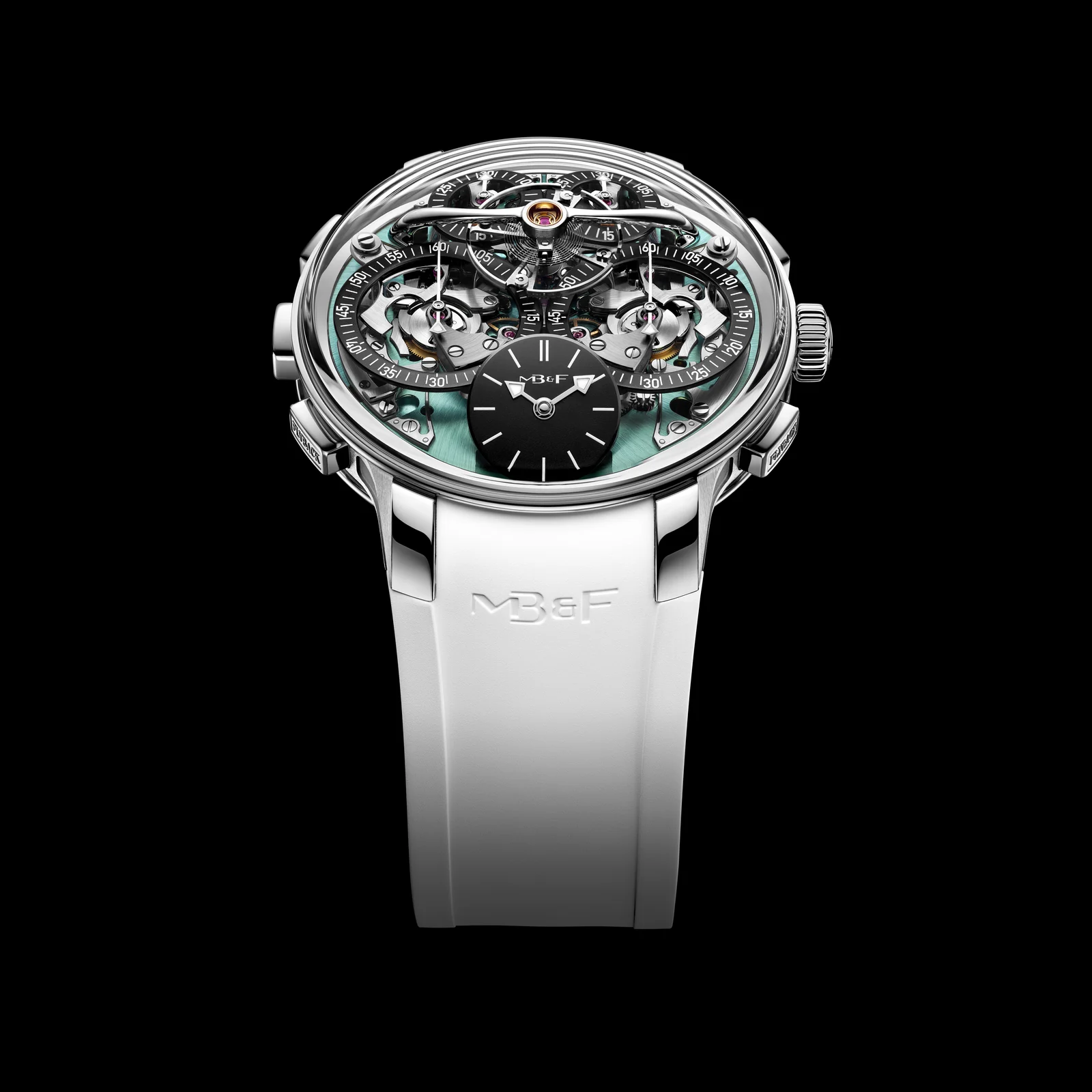
MB&F Sequential Flyback EVO: two stopwatches and one remarkable button
MB&F's Twinverter button changes the state of both chronographs at once: a running one stops and a stopped one starts. The 2026 Sequential Flyback EVO adds two flyback systems to that mechanical logic.
Ferdinand Berthoud · Manual winding · Calibre analyses
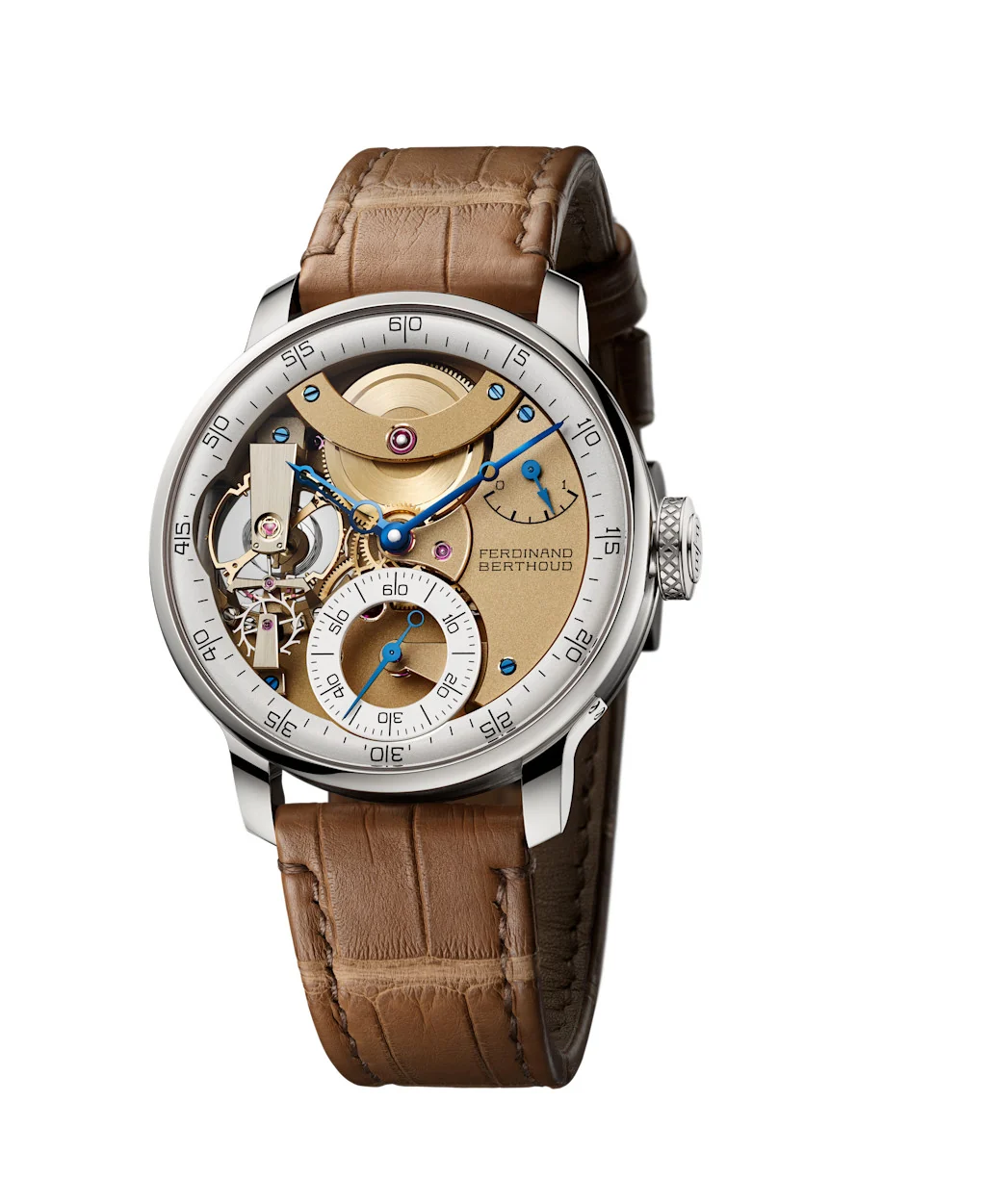
Ferdinand Berthoud FB 3SPC: a cylindrical hairspring on the wrist
The FB 3SPC.1's cylindrical hairspring can be viewed through a sapphire porthole in the case side, while the hand-wound FB-SPC is COSC-certified. We examine this rare construction, its 72-hour reserve and its appeal to a collector.
Jaeger-LeCoultre · Manual winding · Calibre analyses
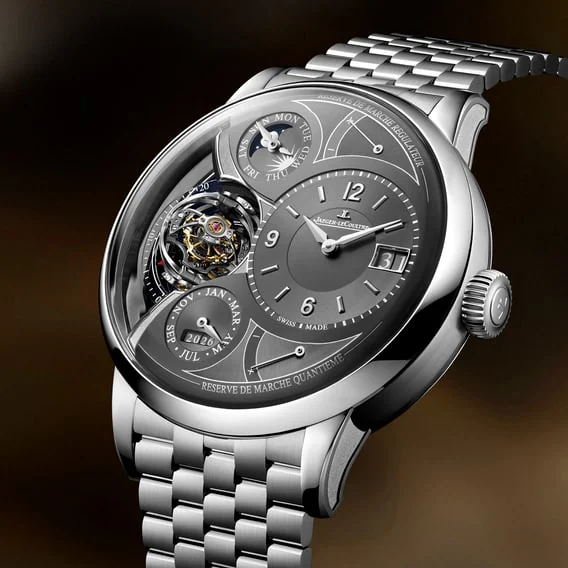
Jaeger-LeCoultre Heliotourbillon: three axes and two energy paths
The triple-axis Heliotourbillon assembly contains 163 components and, according to Jaeger-LeCoultre, weighs less than 0.7 g. In the platinum Duometre Q6206150 it operates alongside a perpetual calendar and two separate energy-transmission trains.
Armin Strom · Manual winding · Calibre analyses
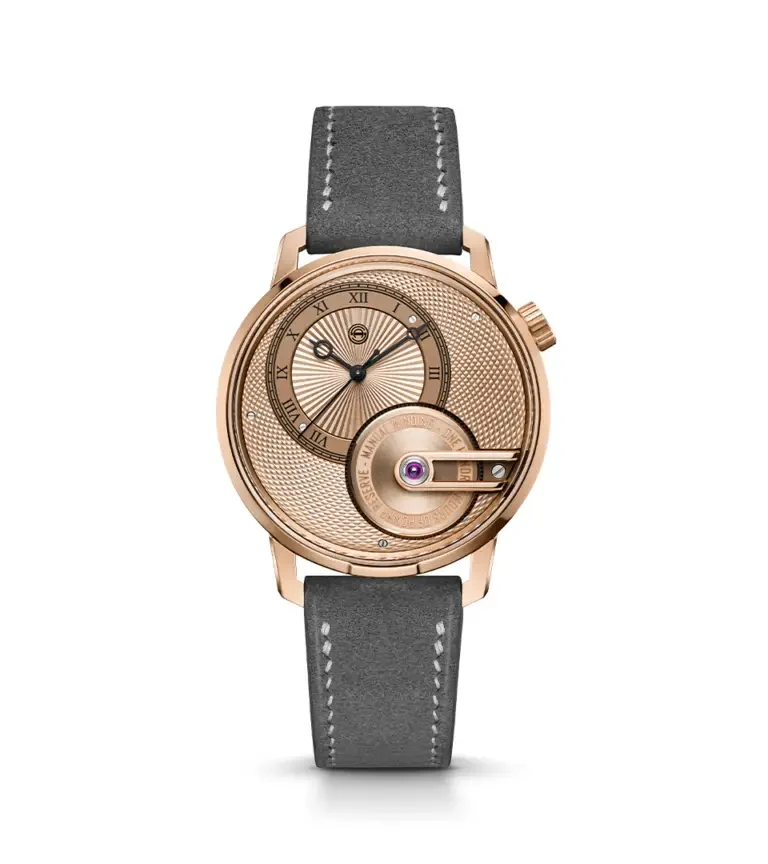
Armin Strom Tribute³ Au750: why the AMW21 barrel works in reverse
The new Tribute³ Au750 puts its barrel on display from the dial side. Inside is the hand-wound AMW21 with a stated 100-hour reserve. Here is how the mechanism works and what that number means.
Armin Strom · Manual winding · Calibre analyses
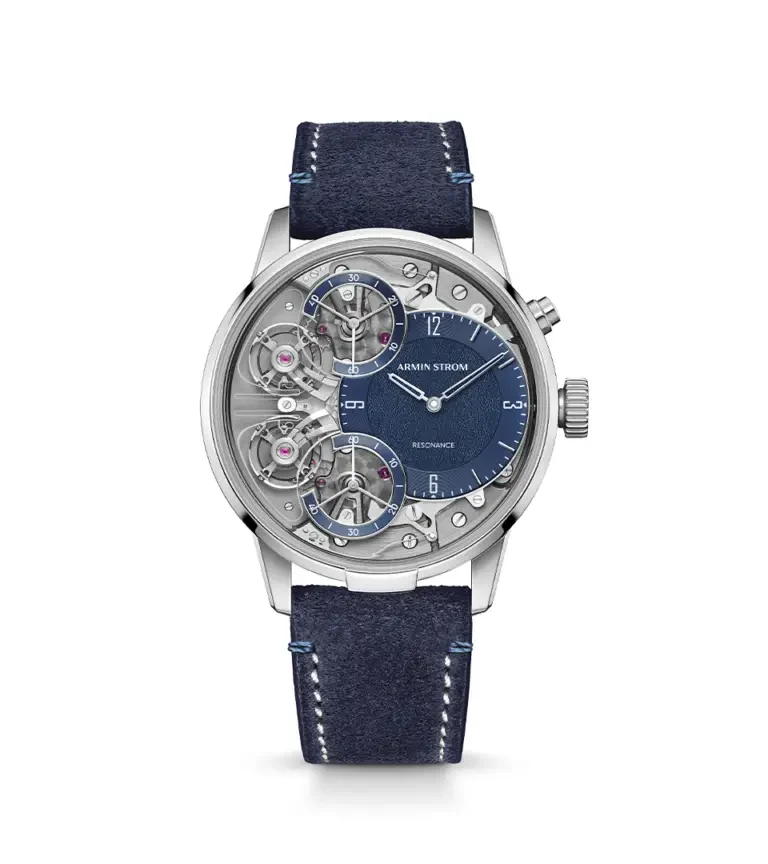
Armin Strom ARF21: why a watch needs two balances and a spring between them
Two exposed balances work on the left of the dial, while time runs quietly on the right. We explore the hand-wound ARF21, its steel coupling spring and twin seconds using the Mirrored Force Resonance Manufacture Edition Blue, presented on February 28, 2023.
Breguet · Manual winding · Calibre analyses
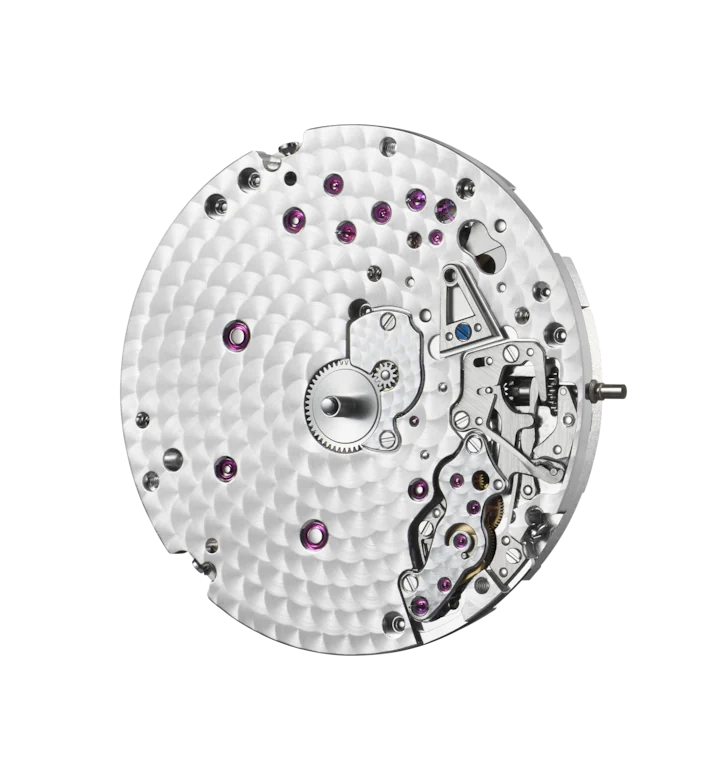
Breguet 7727: why a mechanical watch uses a magnetic balance pivot
Magnets are usually seen as a threat to mechanical watches, yet in the Breguet 7727 they help support the balance staff. We examine the manually wound 10 Hz 574 DR, its 60-hour reserve and the limits of striking accuracy figures.
F.P.Journe · Manual winding · Calibre analyses
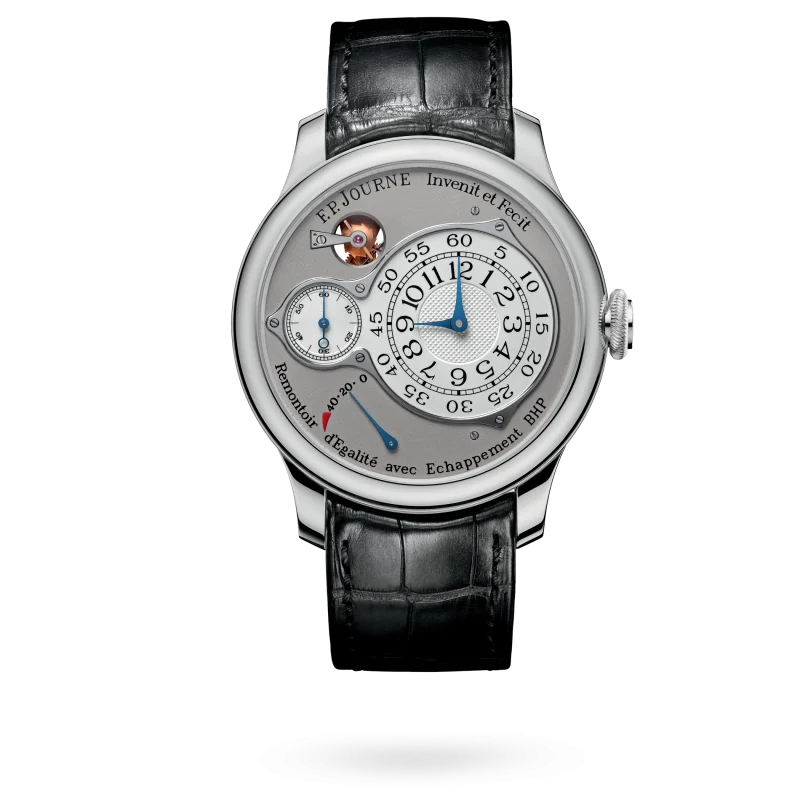
F.P.Journe 1510: a small spring with a big job
In the Chronomètre Optimum, energy passes through two barrels, a one-second remontoire and the EBHP escapement. We examine why another energy store sits between the mainspring and balance, and why 70 hours of running do not tell the whole story.
Grand Seiko · Manual winding · Calibre analyses
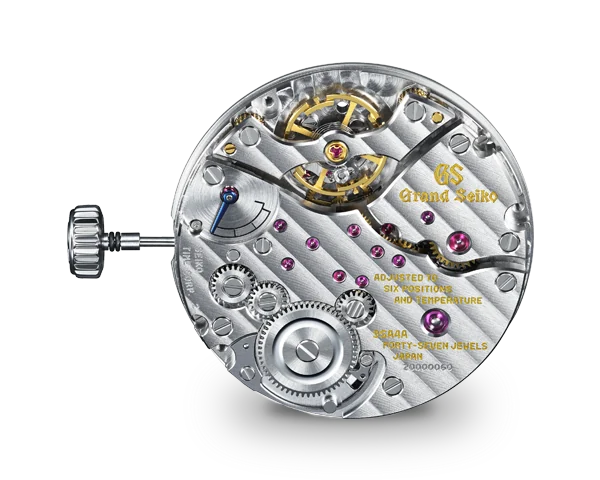
Grand Seiko 9SA4: why a wagtail lives inside the calibre
A hand-wound 5 Hz calibre with around 80 hours of reserve. Grand Seiko rethought the winding assembly and shaped one component like a bird, whose movement is visible as the crown turns.