
Journal archive
All reviews
New models, interesting movements, details and character.
Tag cloud
Brands, models and subjects. The number is the article count; larger tags appear more often.
All remaining tags 46
Selected tag: Calibres
Found: 10 articles

NOMOS Glashütte · Automatic winding · Calibre analyses
NOMOS DUW 6101: a date that circles the dial
On the Tangente neomatik 41 Update, two red dots mark today's date on a ring at the dial's edge. Behind it is the slim automatic DUW 6101, with bidirectional quick date adjustment.
Ressence · Automatic winding · Calibre analyses
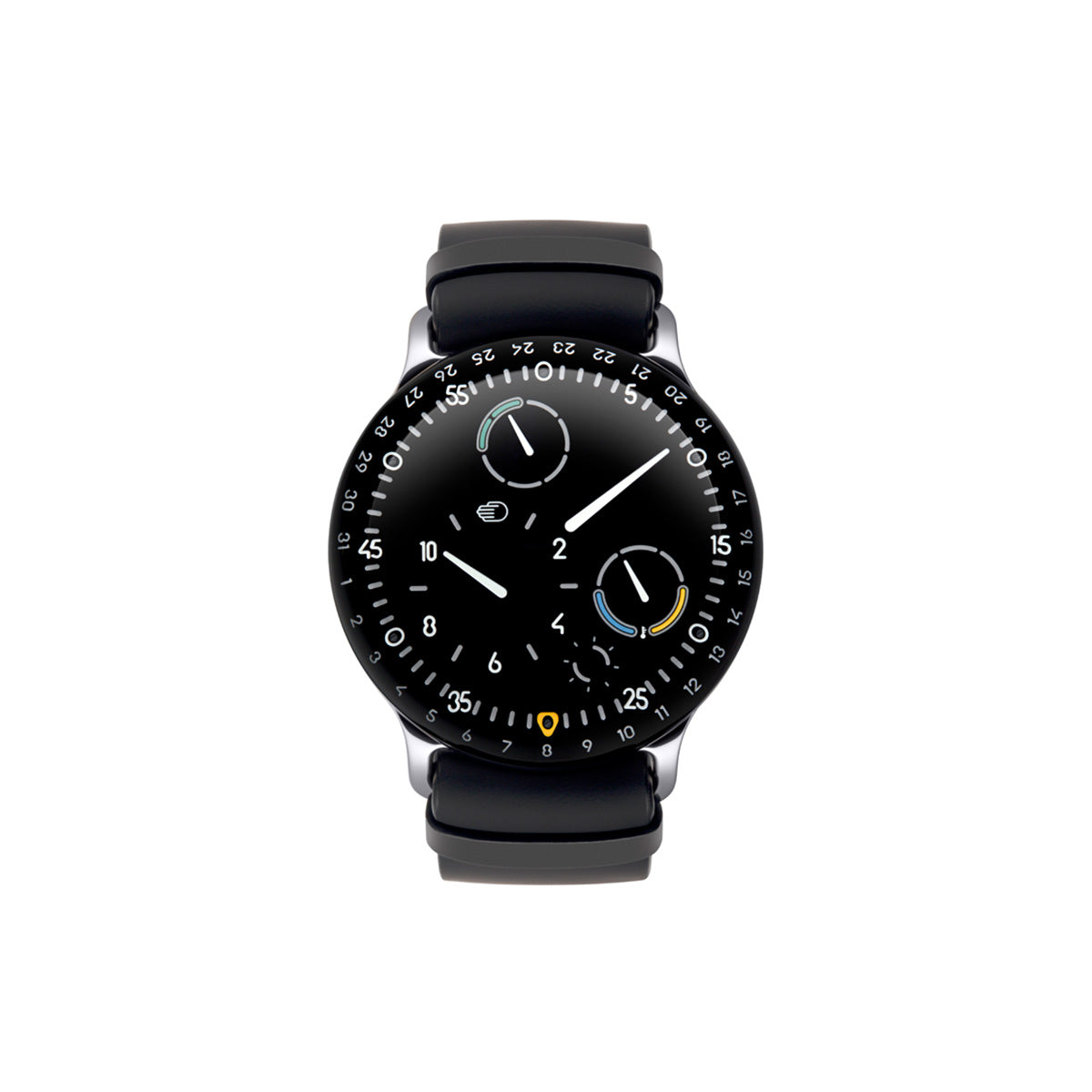
Ressence TYPE 3: how a mechanical watch shows time through oil
The TYPE 3's rotating indications sit in an oil-filled upper chamber while the base movement runs separately below. Magnetic transmission connects them. The near-screen clarity rests on a complex ROCS 3.6 display system.
Armin Strom · Manual winding · Calibre analyses
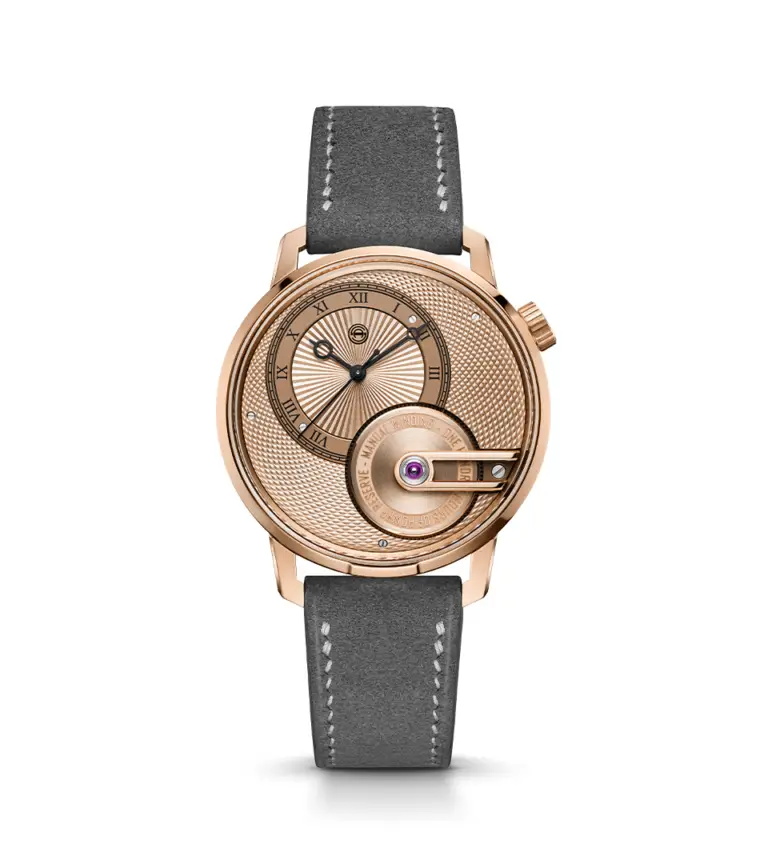
Armin Strom Tribute³ Au750: why the AMW21 barrel works in reverse
The new Tribute³ Au750 puts its barrel on display from the dial side. Inside is the hand-wound AMW21 with a stated 100-hour reserve. Here is how the mechanism works and what that number means.
Rolex · Automatic winding · Calibre analyses
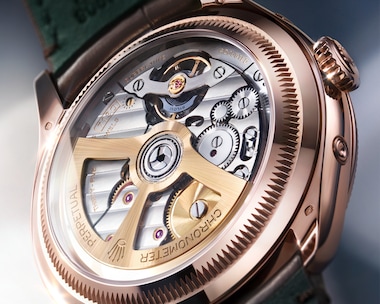
Rolex 7190: how the Haplos calendar recognises a short month
Inside the 2026 Perpetual Padellone, calibre 7190 switches the day, date and month together while Haplos distinguishes 30- and 31-day months. We explain the everyday benefit and why February remains an exception.

Armin Strom · Manual winding · Calibre analyses
Armin Strom ARF21: why a watch needs two balances and a spring between them
Two exposed balances work on the left of the dial, while time runs quietly on the right. We explore the hand-wound ARF21, its steel coupling spring and twin seconds using the Mirrored Force Resonance Manufacture Edition Blue, presented on February 28, 2023.
Breguet · Manual winding · Calibre analyses
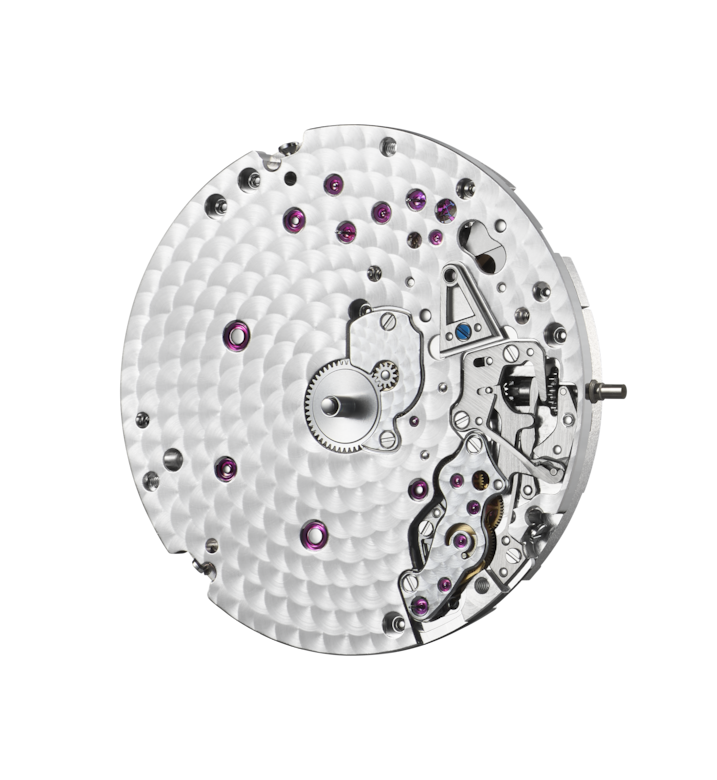
Breguet 7727: why a mechanical watch uses a magnetic balance pivot
Magnets are usually seen as a threat to mechanical watches, yet in the Breguet 7727 they help support the balance staff. We examine the manually wound 10 Hz 574 DR, its 60-hour reserve and the limits of striking accuracy figures.
Oris · Automatic winding · Calibre analyses
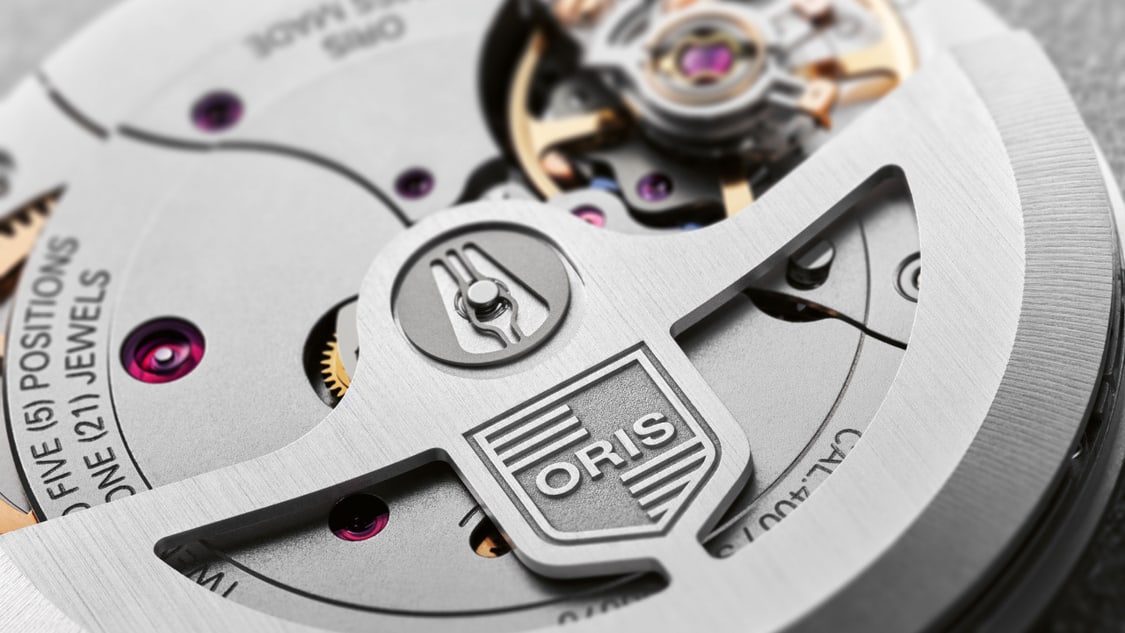
Oris Calibre 400: why an automatic needs two barrels and five days of power
Oris Calibre 400 is designed for 120 hours of running, with two mainspring barrels and a slide-bearing rotor. We examine what owners gain from this layout and how to interpret the promised ten-year service interval.
F.P.Journe · Manual winding · Calibre analyses
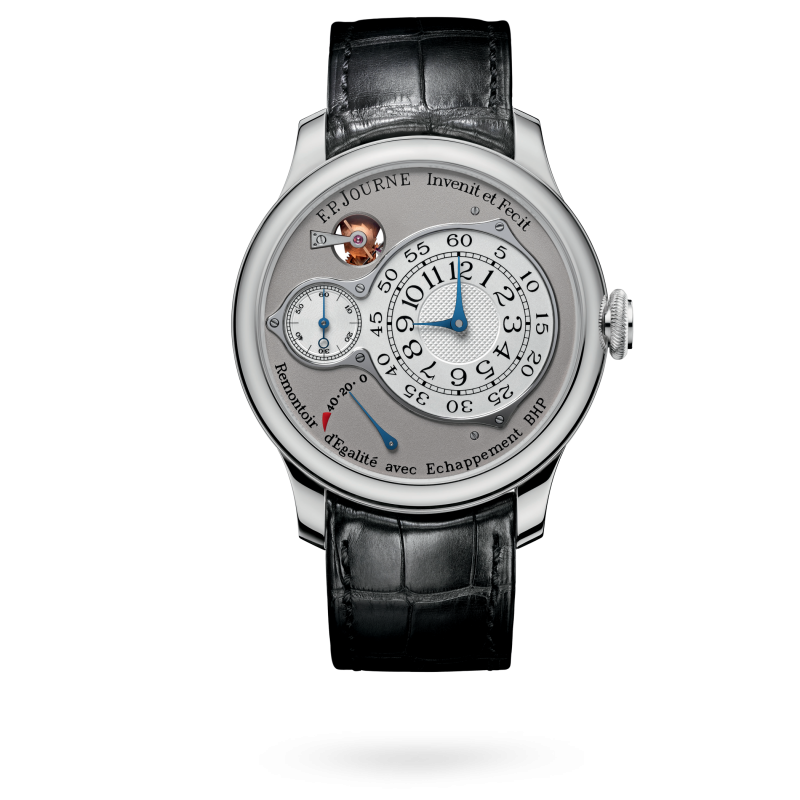
F.P.Journe 1510: a small spring with a big job
In the Chronomètre Optimum, energy passes through two barrels, a one-second remontoire and the EBHP escapement. We examine why another energy store sits between the mainspring and balance, and why 70 hours of running do not tell the whole story.
Grand Seiko · Manual winding · Calibre analyses
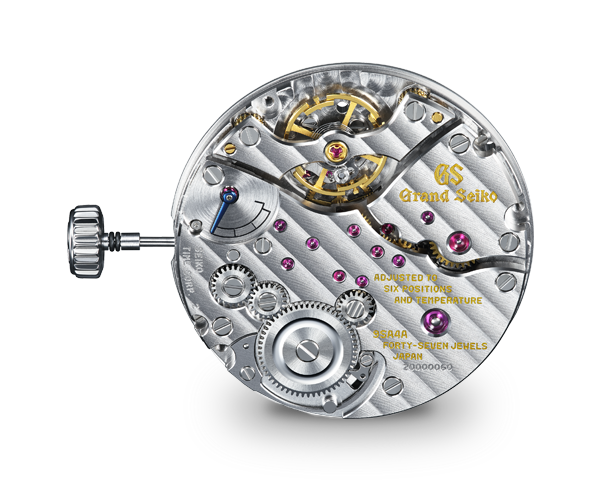
Grand Seiko 9SA4: why a wagtail lives inside the calibre
A hand-wound 5 Hz calibre with around 80 hours of reserve. Grand Seiko rethought the winding assembly and shaped one component like a bird, whose movement is visible as the crown turns.
Czapek Genève · Automatic winding · Calibre analyses
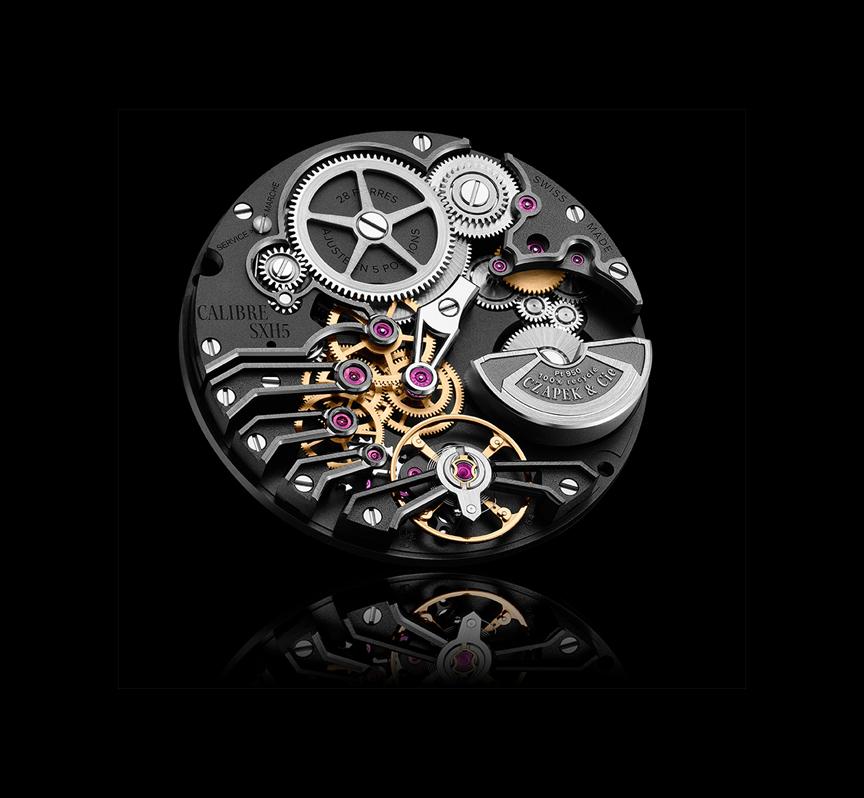
Czapek SXH5: seven bridges and a platinum micro-rotor
A rotor usually covers much of an automatic movement. In the SXH5, it is small and offset towards the edge, leaving seven openworked bridges and the wheel train visible. We examine the Antarctique family's calibre.