
Journal archive
All reviews
New models, interesting movements, details and character.
CREATIVE TIME · Automatic winding · Calibre analyses
How do you choose the right mechanical watch size for your wrist?
Diameter is only the beginning. Case length, thickness, lug shape and bracelet determine the fit. A practical order for trying on watches, without universal wrist-circumference-to-diameter tables.
Breguet · Manual winding · Calibre analyses
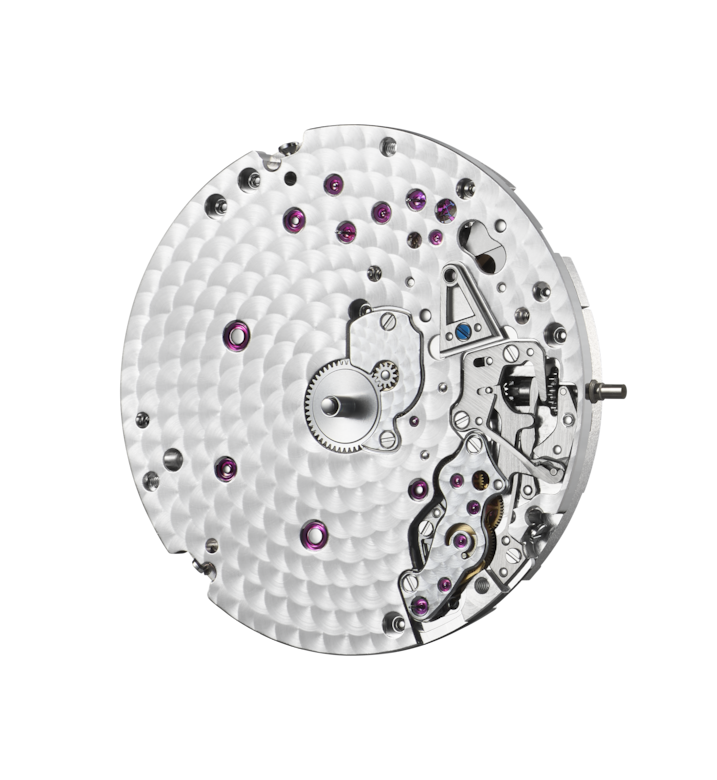
Breguet 7727: why a mechanical watch uses a magnetic balance pivot
Magnets are usually seen as a threat to mechanical watches, yet in the Breguet 7727 they help support the balance staff. We examine the manually wound 10 Hz 574 DR, its 60-hour reserve and the limits of striking accuracy figures.
CREATIVE TIME · Automatic winding · Calibre analyses
Column-wheel chronographs: what is the buyer paying for?
A column wheel controls the chronograph's commands, but does not define everything it does. We explain the difference between control and coupling, and why one term is not enough to choose a watch.
Oris · Automatic winding · Calibre analyses
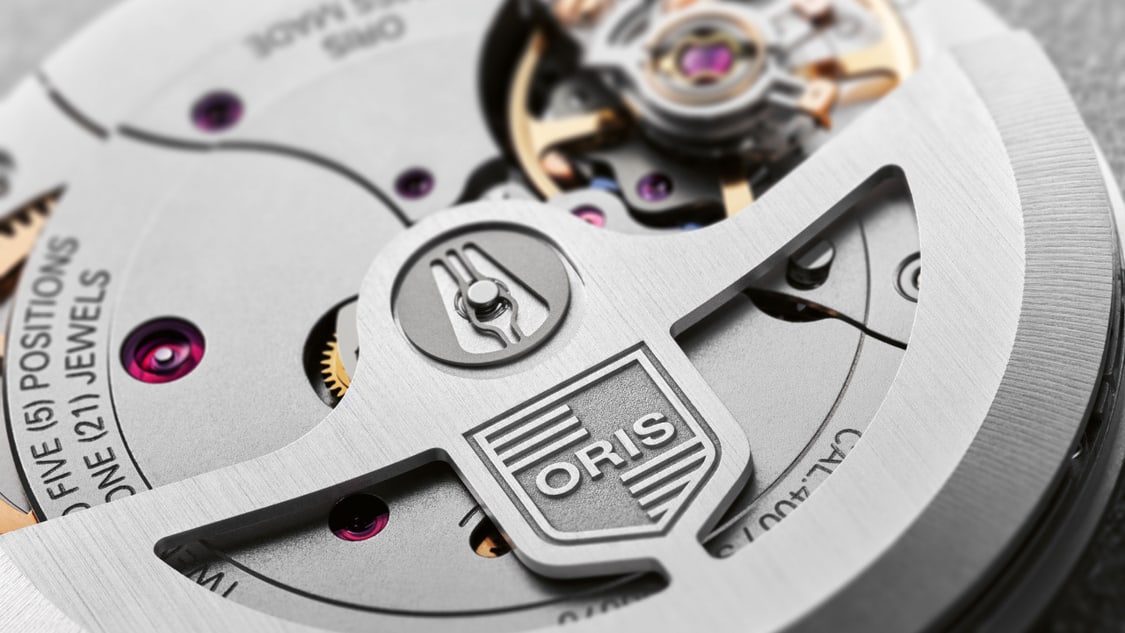
Oris Calibre 400: why an automatic needs two barrels and five days of power
Oris Calibre 400 is designed for 120 hours of running, with two mainspring barrels and a slide-bearing rotor. We examine what owners gain from this layout and how to interpret the promised ten-year service interval.
CREATIVE TIME · Automatic winding · Calibre analyses
An 80-hour power reserve: what are the compromises?
A long reserve is convenient when changing watches, but the same 80 hours can be achieved through different engineering approaches. We compare Tissot Powermatic 80 and Grand Seiko 9SA5.
F.P.Journe · Manual winding · Calibre analyses
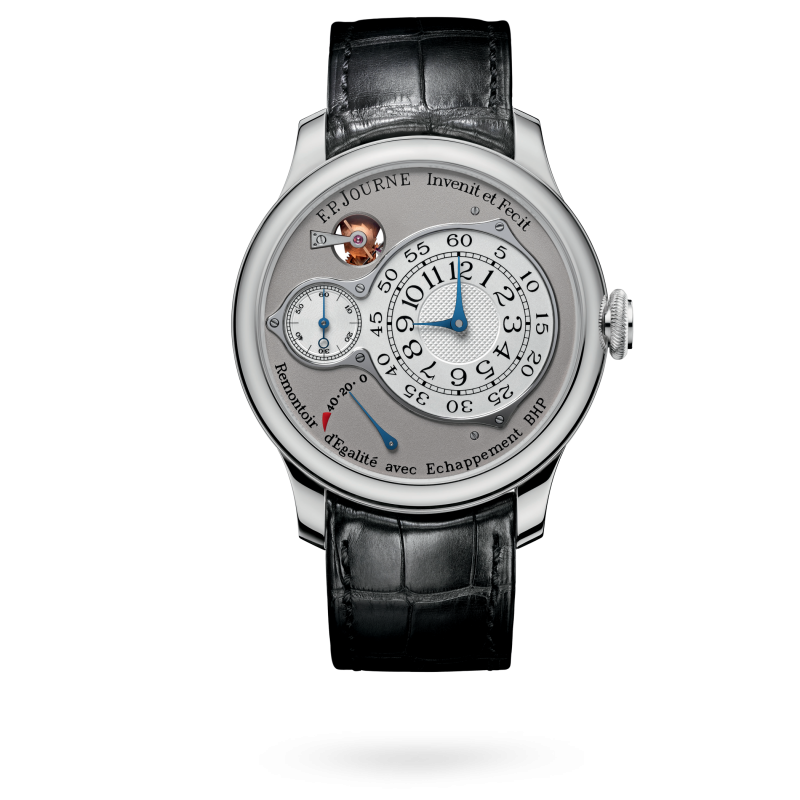
F.P.Journe 1510: a small spring with a big job
In the Chronomètre Optimum, energy passes through two barrels, a one-second remontoire and the EBHP escapement. We examine why another energy store sits between the mainspring and balance, and why 70 hours of running do not tell the whole story.
CREATIVE TIME · Manual winding · Calibre analyses
Manual or automatic winding: which is easier every day?
Some watches ask you to turn a crown; others wind through wrist movement. Both are mechanical. Using Grand Seiko's 9S64 and 9S65, we explore which is more convenient for a single watch and for a collection.
Grand Seiko · Manual winding · Calibre analyses
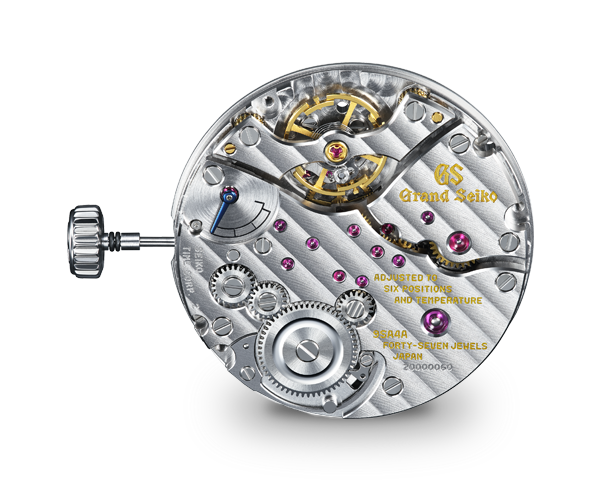
Grand Seiko 9SA4: why a wagtail lives inside the calibre
A hand-wound 5 Hz calibre with around 80 hours of reserve. Grand Seiko rethought the winding assembly and shaped one component like a bird, whose movement is visible as the crown turns.
Czapek Genève · Automatic winding · Calibre analyses
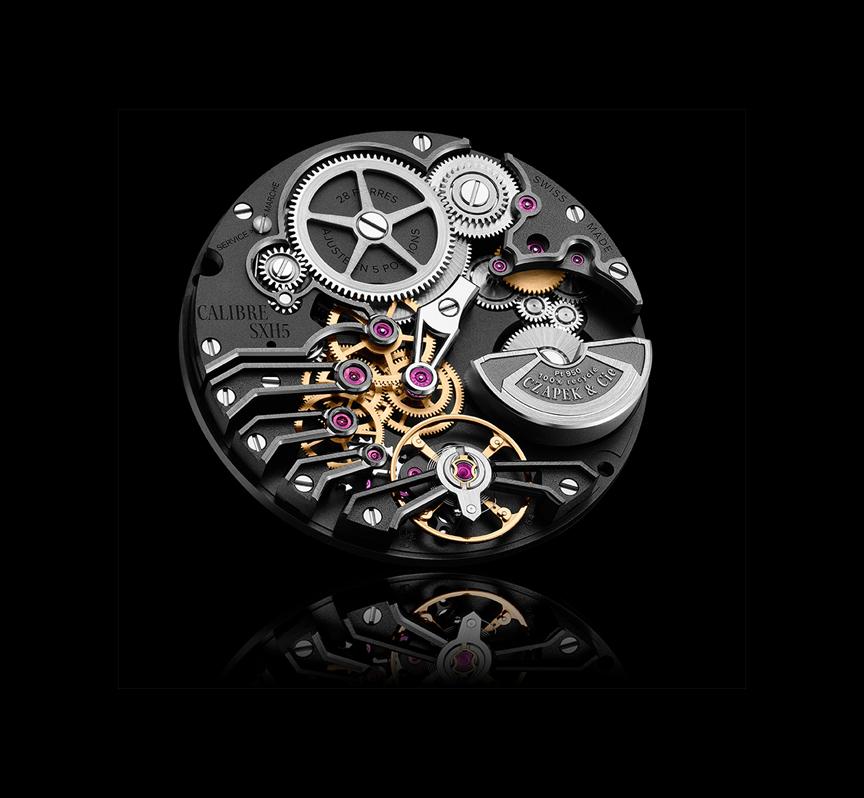
Czapek SXH5: seven bridges and a platinum micro-rotor
A rotor usually covers much of an automatic movement. In the SXH5, it is small and offset towards the edge, leaving seven openworked bridges and the wheel train visible. We examine the Antarctique family's calibre.